
OPEN 7 DAYS A WEEK > KNOX 9887 4539 > GLEN WAVERLEY 9886 7551 > FOUNTAIN GATE 8794 9777
One SmileOne SmileOne SmileOne Smile
  • Home
  • About Us
    • Our Team
    • Our Technology
    • Blog
  • Services
    • General Dentistry
      • Regular Examination
      • Root Canal Treatment
      • Fillings
      • Wisdom Teeth Removal
      • Dietary Advice
      • Oral Hygiene Instructions
      • Periodontal Care
    • Cosmetic Dentistry
      • Crowns & Bridges
      • Teeth Whitening
      • Veneers
      • Inlays & Onlays
      • Crown Lengthening
      • Full Mouth Rehabilitation
      • Digital Smile Design
    • Implant Dentistry
      • Single/Multiple Implants
      • Sinus Graft / Lift
      • Bone Grafting
      • All-on-4
    • Orthodontics
      • Invisalign & ClearCorrect
      • Myobrace
      • Braces
      • Adult Orthodontics
    • Children’s Dentistry
      • Fluoride Treatment
      • Fissure Sealants
      • Check-Up
      • Mouthguards
    • X-Ray
    • Snoring & Sleep Apnoea
  • Appointment Information
    • Emergencies
    • Health Funds
  • Book Online
    • Knox
    • Glen Waverley
    • Fountain Gate
  • Contact Us
    • Knox
    • Glen Waverley
    • Fountain Gate

Blog

Home 2025 July
dental-health-week

Dental Health Week 2025: Helping Every Smile Reach Its Milestone

By admin | Blog | Comments are Closed | 18 July, 2025 | 0

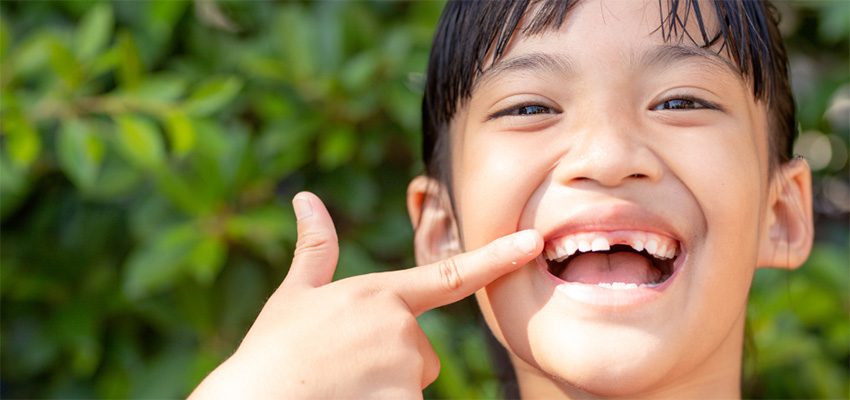
Dental Health Week (5–11 August 2025) is around the corner, and this year’s theme from the Australian Dental Association (ADA) is all about one simple idea: helping kids hit every milestone on their smile journey.

It’s called “Reach Every S-milestone”, and it focuses on the key stages of a child’s oral development — like suckling, smiling, speaking and eventually learning how to care for their teeth on their own.

But this week isn’t just about kids. It’s also a chance for parents, carers, and communities to understand how small, everyday habits can shape a lifetime of healthy smiles — and how easy it is to fall behind without even realising.

Whether you’re brushing tiny baby teeth or trying to convince a teenager that flossing is still important, this week is a reminder: oral health is a team effort, and every stage matters.

What Are the “S-milestones”?

You won’t find these listed in a baby book — but you’ll see them play out in everyday life. The ADA has mapped out five key “S-milestones” to focus on:

  • Suckling and feeding – The earliest stage. How babies feed can affect their teeth, jaws and future bite.
  • Smiling – Baby teeth start appearing around 6 months, and with them come those cheeky little grins.
  • Salivating – Saliva helps protect little teeth, so it’s more important than you might think.
  • Speech – Healthy teeth help kids form words properly and speak clearly.
  • Self-care – Eventually, kids take the reins. That’s when brushing, flossing and dentist visits become their responsibility.

Every stage builds on the one before. And while every child will reach these milestones at their own pace, it’s up to the grown-ups to help them along the way.

Why It Matters

Dental decay is the most common chronic disease among Australian children — and it’s largely preventable. But too often, oral health only becomes a focus when there’s already pain, a filling, or a visit to the emergency department.

Prevention really is better than cure. And that means starting early — before a child even gets their first tooth — and staying consistent as they grow.

The reality is, brushing twice a day isn’t just a good habit. It can save you time, money, and tears down the track.

How to Support a Healthy Smile at Every Stage

Here are four simple things every family can do, regardless of age:

  1. Brush Twice a Day

Use a fluoride toothpaste and a soft toothbrush. For young kids, a smear of toothpaste is enough. Keep helping them brush until they’re at least 8 years old — they don’t quite have the dexterity to do it well on their own before then.

  1. Clean Between Teeth

As soon as two teeth touch, start cleaning between them. That could mean floss or soft interdental brushes — whatever works for your family.

  1. Watch the Sugar

Limit sugary snacks and drinks, especially between meals. Water and milk are best for growing teeth.

  1. Visit the Dentist Regularly

Don’t wait for a problem to pop up. Kids should see a dentist by their first birthday, and then every 6–12 months after that.

A Few More Things to Know

  • Saliva is your friend. It helps neutralise acids and protect enamel. Encourage plenty of water and avoid dry-mouth habits like frequent snacking or mouth breathing.
  • Speech issues could be dental. If your child struggles with pronunciation, their teeth may play a role. A dentist can help assess if alignment or spacing is a factor.
  • You’re not alone. The ADA’s website teeth.org.au is full of easy-to-follow info for every age and stage.

What You Can Do This Dental Health Week

  • Chat with your kids about their teeth. Make brushing fun, not a chore.
  • Share tips with other parents or carers — because no one figures this out alone.
  • Book that dental check-up you’ve been meaning to make (for your kids or yourself!).
  • Follow the conversation on social media using #DentalHealthWeek2025.

It’s About More Than Teeth

Reaching every smile milestone isn’t just about avoiding cavities. It’s about confidence, speech, nutrition, and setting up our kids with habits that will protect them long after they’ve moved out of home.

So this Dental Health Week, let’s celebrate the wins — the wiggly baby teeth, the first time they brush solo, the proud “no cavities” stickers — and keep moving forward, one smile at a time.

cavities

Why Some People Get More Cavities Than Others — Even When They Brush

By admin | Blog | Comments are Closed | 18 July, 2025 | 0

Have you ever felt frustrated after hearing your dentist say you have a new cavity — even though you brush and floss every day? You’re not alone. Some people seem to be more prone to tooth decay no matter how careful they are, while others breeze through check-ups with barely a filling in sight.

It might not seem fair, but there’s more to cavity prevention than just brushing your teeth. From genetics to diet, saliva and even how your teeth are shaped, many factors can influence your risk.

Let’s unpack why some people get more cavities than others — and what you can do to stay ahead of decay.

  1. Not All Teeth Are Created Equal

The shape and alignment of your teeth can play a big role in how well you’re able to clean them. Deep grooves and pits in the chewing surfaces of molars, or crowded and overlapping teeth, can make it harder to remove plaque and food debris.

Even if you’re brushing thoroughly, some areas may be consistently missed. That’s why people with certain tooth shapes or bite issues may be more prone to decay, especially in hard-to-reach spots.

What you can do:

  • Ask us if fissure sealants are right for you — they can help protect deep grooves.
  • Use floss or interdental brushes daily to clean between crowded teeth.
  1. Your Saliva Matters More Than You Think

Saliva does more than just keep your mouth moist — it neutralises acids, washes away food particles, and helps repair early signs of enamel erosion. If you have a dry mouth (called xerostomia), your risk of cavities increases significantly.

Dry mouth can be caused by certain medications, mouth breathing, dehydration, or medical conditions like Sjogren’s syndrome.

What you can do:

  • Stay hydrated throughout the day.
  • Chew sugar-free gum to stimulate saliva.
  • Let us know if your mouth often feels dry — we can recommend saliva substitutes or other treatments.
  1. Diet Plays a Big Role (Even Healthy Ones)

It’s not just lollies and soft drinks that cause decay. Frequent snacking on carbs — even things like crackers, fruit, or muesli bars — feeds the bacteria in your mouth and keeps acid levels high. The more often you eat, the less time your mouth has to recover.

Sticky foods, in particular, tend to linger on teeth and are harder to rinse away with saliva alone.

What you can do:

  • Limit snacking between meals.
  • Rinse your mouth with water after eating.
  • Be mindful of dried fruit and other “healthy” snacks that cling to teeth.
  1. Your Bacteria Are Unique to You

Just like your gut, your mouth has a microbiome — a mix of good and bad bacteria. Some strains are more aggressive when it comes to breaking down sugar and producing acid.

These bacteria can be influenced by childhood habits, the environment you grew up in, and even how your parents cared for your teeth when you were little.

What you can do:

  • Keep up your oral hygiene routine consistently.
  • Consider using a probiotic toothpaste or oral rinse (ask us for advice first).
  1. Fluoride Exposure Varies

Fluoride strengthens enamel and helps prevent decay, but not everyone gets the same amount. Some areas don’t have fluoridated tap water, and people who avoid fluoride toothpaste (or rinse their mouth out right after brushing) may not be getting the full benefit.

What you can do:

  • Use a fluoride toothpaste twice a day.
  • Avoid rinsing with water immediately after brushing to let the fluoride sit on your teeth longer.
  • Ask us if additional fluoride treatments are right for you.
  1. Medical Conditions and Medications Can Influence Risk

Certain conditions — like diabetes, acid reflux, or autoimmune diseases — can increase cavity risk, either by changing saliva flow, increasing acidity, or altering your immune response.

Similarly, many medications list dry mouth as a side effect.

What you can do:

  • Let us know your full medical history and any medications you’re taking.
  • Manage chronic conditions with support from your GP.

The Bottom Line: Brushing Is Essential — But It’s Not Everything

Brushing and flossing are your first line of defence, but they’re only part of the picture. Understanding your unique risk factors — and working with us to stay ahead of them — is the best way to prevent cavities long term.

If you feel like you’re doing everything right but still getting decay, don’t get discouraged. There’s often an explanation, and there’s always something we can do to help.

Come and see us for a personalised approach to prevention. We’ll help you protect your smile — and keep those frustrating surprise fillings to a minimum.

dental-nutrition

Dental Nutrition: What to Eat for Stronger Teeth (and What to Avoid After Dental Work)

By admin | Blog | Comments are Closed | 18 July, 2025 | 0

We all know that sugar is bad for our teeth — but beyond that, most people don’t give much thought to how food affects their oral health. The truth is, what you eat plays a big role in the strength of your teeth, the health of your gums, and how quickly you recover after dental treatment.

From strengthening enamel to speeding up healing, good nutrition is one of the most underrated tools in your oral care routine. Let’s take a closer look at the best foods for healthy teeth — and what to steer clear of after certain dental procedures.

The Best Foods for Strong Teeth and Gums

Strong, healthy teeth need more than just brushing — they need the right nutrients too. Here’s what your teeth love:

  1. Calcium-Rich Foods

Calcium strengthens enamel and supports jawbone health.

  • Best sources: Dairy products (milk, cheese, yoghurt), almonds, leafy greens like kale and bok choy, and canned salmon with bones.
  1. Phosphorus-Packed Options

Phosphorus helps calcium do its job. Without it, your teeth can’t remineralise properly.

  • Best sources: Eggs, fish, lean meats, tofu, and nuts.
  1. Vitamin D for Absorption

You need vitamin D to absorb calcium effectively.

  • Best sources: Sunlight, fortified foods, and oily fish like tuna or sardines.
  1. Crunchy Fruits and Vegetables

High-fibre, crunchy produce stimulates saliva and naturally cleans the teeth.

  • Best sources: Apples, celery, carrots, cucumber, and leafy greens.
  1. Green Tea and Herbal Teas

These contain compounds that can reduce inflammation and support gum health — plus they’re lower in acid than black tea or coffee.

  1. Water (Plain and Simple)

Drinking water rinses the mouth, reduces acidity, and helps saliva do its job. Tap water often contains fluoride, which protects enamel.


What to Avoid for Better Oral Health

Some foods and drinks can undo all that good work, especially when consumed frequently or without good hygiene habits:

  • Sugary snacks and drinks: Lollies, soft drinks, and fruit juices feed cavity-causing bacteria.
  • Sticky foods: Dried fruit, toffees, and even some muesli bars cling to teeth and are hard to rinse away.
  • Highly acidic foods: Citrus fruits, vinegar, wine, and soft drinks can erode enamel if consumed too often.
  • Frequent snacking: Grazing all day keeps acid levels high, giving bacteria more opportunities to cause damage.

We’re not saying you can’t enjoy the occasional treat — but being mindful of frequency and timing (like having sweets with meals instead of on their own) can make a big difference.


Foods to Support Recovery After Dental Work

After procedures like fillings, extractions, implants, or gum treatment, your mouth needs time to heal — and the right foods can support that healing process.

Immediately After Treatment

Stick to soft, cool, and non-irritating foods:

  • Yoghurt
  • Smoothies (without seeds)
  • Mashed potatoes
  • Scrambled eggs
  • Broths or lukewarm soups (not too hot)

Avoid:

  • Hard or crunchy foods like nuts or chips
  • Spicy or acidic foods that might sting
  • Chewing on the side of your mouth that was treated
  • Drinking through straws (especially after extractions, as it can cause dry socket)

During the Healing Phase

As healing progresses, gradually introduce more nutrient-dense soft foods:

  • Avocado
  • Oats or porridge
  • Soft-cooked vegetables
  • Soft fish

Hydration is key, too — especially if you’re taking pain medications, which can dry out the mouth.

If you’ve had gum treatment or oral surgery, foods rich in vitamin C and antioxidants can also help with tissue repair. Think: berries, capsicum, pumpkin, and leafy greens.


Special Considerations: Braces and Aligners

If you’re wearing braces, certain foods can damage brackets or get stuck between wires. Avoid:

  • Popcorn
  • Chewy lollies
  • Crunchy apples or carrots (unless cut into small, manageable pieces)

For aligner wearers (like Invisalign), make sure to remove your aligners before eating or drinking anything besides water, and rinse before putting them back in.


A Balanced Diet Makes a Noticeable Difference

Your teeth and gums are living tissue — and just like any part of your body, they need the right fuel to stay strong. By making a few conscious food choices, you can:

  • Reduce your risk of decay
  • Strengthen enamel naturally
  • Support faster recovery after dental treatment
  • Keep your gums healthier and less prone to bleeding or inflammation


There’s no magic food that will guarantee perfect teeth, but every bite you take has the potential to support or weaken your smile. Whether you’ve just had dental work done or you’re simply looking to up your oral health game, a nutrient-rich, tooth-friendly diet is a smart step.

Need tailored advice on what to eat or avoid after a specific procedure? Come and see us — we’re always happy to guide you through a smoother, healthier recovery.

Recent Posts

  • 5 Simple Ways to Protect Your Teeth This Easter
  • The Real Reason Your Teeth Feel Sensitive
  • Thinking About Whitening? Here’s What You Should Know First
  • 6 Things That Make Dental Treatment More Complex Than It Needs to Be
  • Why Teeth Age Faster Than the Rest of You

Recent Comments

    Archives

    • April 2026
    • March 2026
    • February 2026
    • January 2026
    • December 2025
    • November 2025
    • October 2025
    • August 2025
    • July 2025
    • June 2025
    • May 2025
    • April 2025
    • March 2025
    • February 2025
    • December 2024
    • November 2024
    • October 2024
    • September 2024
    • August 2024
    • July 2024
    • June 2024
    • May 2024
    • April 2024
    • March 2024
    • February 2024
    • January 2024
    • December 2023
    • September 2023
    • August 2023
    • July 2023
    • June 2023
    • May 2023
    • April 2023
    • March 2023
    • February 2023
    • January 2023
    • December 2022
    • November 2022
    • October 2022
    • September 2022
    • August 2022
    • July 2022
    • June 2022
    • May 2022
    • April 2022
    • February 2022
    • January 2022
    • December 2021
    • October 2021
    • September 2021
    • August 2021
    • July 2021
    • May 2021
    • April 2021
    • March 2021
    • February 2021
    • January 2021
    • November 2020
    • September 2020
    • August 2020
    • July 2020
    • June 2020
    • April 2020
    • March 2020
    • February 2020
    • January 2020
    • December 2019
    • November 2019
    • October 2019
    • September 2019
    • August 2019
    • July 2019
    • June 2019
    • May 2019

    Categories

    • Blog
    • Recipe

    Meta

    • Log in
    • Entries RSS
    • Comments RSS
    • WordPress.org
    • Home
    • About Us
    • Services
    • Book Online
    • Contact Us
    • Privacy Policy
    Copyright 2015 One Smile | All Rights Reserved.
    Dental Website by Integrated Dental Marketing
    • Home
    • About Us
      • Our Team
      • Our Technology
      • Blog
    • Services
      • General Dentistry
        • Regular Examination
        • Root Canal Treatment
        • Fillings
        • Wisdom Teeth Removal
        • Dietary Advice
        • Oral Hygiene Instructions
        • Periodontal Care
      • Cosmetic Dentistry
        • Crowns & Bridges
        • Teeth Whitening
        • Veneers
        • Inlays & Onlays
        • Crown Lengthening
        • Full Mouth Rehabilitation
        • Digital Smile Design
      • Implant Dentistry
        • Single/Multiple Implants
        • Sinus Graft / Lift
        • Bone Grafting
        • All-on-4
      • Orthodontics
        • Invisalign & ClearCorrect
        • Myobrace
        • Braces
        • Adult Orthodontics
      • Children’s Dentistry
        • Fluoride Treatment
        • Fissure Sealants
        • Check-Up
        • Mouthguards
      • X-Ray
      • Snoring & Sleep Apnoea
    • Appointment Information
      • Emergencies
      • Health Funds
    • Book Online
      • Knox
      • Glen Waverley
      • Fountain Gate
    • Contact Us
      • Knox
      • Glen Waverley
      • Fountain Gate
    One Smile