
OPEN 7 DAYS A WEEK > KNOX 9887 4539 > GLEN WAVERLEY 9886 7551 > FOUNTAIN GATE 8794 9777
One SmileOne SmileOne SmileOne Smile
  • Home
  • About Us
    • Our Team
    • Our Technology
    • Blog
  • Services
    • General Dentistry
      • Regular Examination
      • Root Canal Treatment
      • Fillings
      • Wisdom Teeth Removal
      • Dietary Advice
      • Oral Hygiene Instructions
      • Periodontal Care
    • Cosmetic Dentistry
      • Crowns & Bridges
      • Teeth Whitening
      • Veneers
      • Inlays & Onlays
      • Crown Lengthening
      • Full Mouth Rehabilitation
      • Digital Smile Design
    • Implant Dentistry
      • Single/Multiple Implants
      • Sinus Graft / Lift
      • Bone Grafting
      • All-on-4
    • Orthodontics
      • Clear Aligners
      • Myobrace
      • Braces
      • Adult Orthodontics
    • Children’s Dentistry
      • Fluoride Treatment
      • Fissure Sealants
      • Check-Up
      • Mouthguards
    • X-Ray
    • Snoring & Sleep Apnoea
  • Appointment Information
    • Emergencies
    • Health Funds
  • Book Online
    • Knox
    • Glen Waverley
    • Fountain Gate
  • Contact Us
    • Knox
    • Glen Waverley
    • Fountain Gate

Blog

your-teeth

Top 10 Reasons Your Teeth Might Look More Yellow Than They Used To

By admin | Blog | 0 comment | 8 September, 2026 | 0

Have you looked in the mirror recently and thought your teeth don’t seem quite as white as they used to?

You’re certainly not alone.

Many people notice gradual changes in the colour of their teeth over time. Often, the change is so slow that it’s difficult to pinpoint exactly when it happened.

The good news is that yellowing teeth are very common and, in many cases, are influenced by everyday habits and natural ageing rather than poor oral hygiene.

Here are ten common reasons your teeth may be looking a little more yellow than they once did.

  1. Natural Ageing

As we get older, our teeth naturally change colour.

The outer layer of enamel slowly becomes thinner through years of chewing and everyday use. As this happens, the naturally yellow layer beneath the enamel, called dentine, becomes more visible.

This gradual change is completely normal.

  1. Coffee and Tea

For many Australians, the day doesn’t start without a cup of coffee or tea.

Unfortunately, both contain natural compounds called tannins that can gradually stain tooth enamel.

The more frequently these drinks are consumed, the greater the opportunity for stains to build up over time.

  1. Red Wine

Red wine is another common cause of surface staining.

Its deep pigments, combined with its acidity, make it easier for colour to attach to the surface of your teeth.

Enjoying the occasional glass isn’t usually a concern, but regular consumption can contribute to noticeable discolouration.

  1. Smoking or Vaping

Smoking has long been associated with yellow and brown staining on teeth.

The tar and nicotine found in tobacco products gradually build up on the enamel, creating stains that become more difficult to remove over time.

While vaping doesn’t contain tar, research into its long-term effects on oral health is still ongoing, and some products may still contribute to staining and dry mouth.

  1. Certain Foods

It’s not just drinks that affect tooth colour.

Foods such as soy sauce, balsamic vinegar, tomato-based sauces, berries and curries all contain strong pigments that may contribute to surface staining, particularly when eaten regularly.

This doesn’t mean you should avoid healthy foods—it simply highlights the importance of maintaining good oral hygiene.

  1. Plaque and Tartar Build-Up

When plaque isn’t removed effectively through brushing and cleaning between your teeth, it can harden into tartar.

Tartar often has a yellow or brown appearance and can’t be removed with a toothbrush alone.

Regular professional cleans help remove these deposits and restore a fresher appearance to your smile.

  1. Some Medications

Certain medications may affect the colour of your teeth.

In some cases, medications can contribute to staining on the outside of the teeth, while others may cause changes that occur within the tooth itself.

If you’ve noticed changes after starting a new medication, it’s worth mentioning this during your next dental visit.

  1. Previous Dental Injuries

A tooth that has experienced trauma, even many years ago, may gradually darken over time.

This change often affects only one tooth rather than the entire smile.

If you’ve noticed one tooth becoming darker than the others, it’s important to have it assessed to determine the underlying cause.

  1. Genetics

Just as hair and eye colour vary from person to person, so does the natural shade of our teeth.

Some people naturally have thicker, brighter enamel, while others have enamel that allows more of the underlying dentine to show through.

This means not every healthy smile will naturally appear bright white.

  1. Your Oral Hygiene Routine

Although brushing won’t change the natural colour of your teeth, it does help remove surface stains before they become more noticeable.

Brushing twice a day with fluoride toothpaste, cleaning between your teeth and attending regular dental check-ups all help maintain a cleaner, brighter-looking smile.

Consistency makes a significant difference over time.

Can Yellow Teeth Become Whiter?

In many cases, yes.

The most appropriate option depends on what’s causing the discolouration.

Sometimes a professional scale and clean is enough to remove surface stains. In other situations, whitening treatment may be suitable, while some forms of discolouration may require different cosmetic options.

The first step is understanding the reason behind the colour change.

Healthy Doesn’t Always Mean Perfectly White

One of the biggest misconceptions is that white teeth automatically mean healthy teeth.

In reality, healthy teeth come in a wide range of natural shades.

A slightly yellow smile can still be completely healthy, while very white teeth aren’t necessarily free from dental problems.

The goal should always be healthy teeth first, with appearance being an added bonus.

A Brighter Smile Starts with Understanding the Cause

If you’ve noticed your teeth becoming more yellow over the years, you’re certainly not alone.

Ageing, diet, lifestyle and everyday habits all play a role in how our smiles change over time.

The good news is that many causes of tooth discolouration can be managed with the right advice and professional care.

If you’d like to learn more about the colour of your teeth or explore options for achieving a brighter smile, our friendly team is always happy to help you find the approach that’s right for you.

daily-habits

Could Your Daily Habits Be Wearing Your Teeth Away?

By admin | Blog | 0 comment | 8 September, 2026 | 0

When people think about damaged teeth, they often picture cavities.

But tooth decay isn’t the only thing that can affect your smile.

Many everyday habits can gradually wear down your teeth over time, often without you even realising it’s happening. The changes usually occur so slowly that they’re easy to miss, but over the years they can make teeth more sensitive, more fragile and more prone to damage.

The good news is that once you understand what’s causing the wear, there are often simple ways to help protect your smile.

Here are some of the everyday habits that may be contributing to tooth wear.

Brushing Too Hard

Many people assume that brushing harder means cleaning better.

In reality, brushing with excessive pressure can gradually wear away tooth enamel and even cause your gums to recede.

A soft-bristled toothbrush and gentle, circular movements are usually all that’s needed to clean your teeth effectively.

If your toothbrush bristles quickly become bent or frayed, it may be a sign that you’re brushing too firmly.

Grinding or Clenching Your Teeth

Teeth grinding, also known as bruxism, is incredibly common.

Some people notice it during the day, while many grind or clench their teeth while sleeping without ever knowing.

Over time, this repeated pressure can flatten the chewing surfaces of your teeth, create small cracks and increase tooth sensitivity.

If you regularly wake with jaw soreness or headaches, it’s worth mentioning this at your next dental appointment.

Frequently Sipping Acidic Drinks

Soft drinks, sports drinks, energy drinks, fruit juice and even sparkling water can all be acidic.

When acidic drinks are consumed frequently throughout the day, your enamel is exposed to repeated acid attacks.

Rather than drinking these beverages slowly over several hours, it’s generally kinder to your teeth to enjoy them with a meal and then switch back to water.

Giving your teeth time to recover between acidic exposures helps protect the enamel.

Snacking All Day

Every time you eat, the bacteria in your mouth begin producing acids.

If you’re constantly grazing throughout the day, your teeth spend more time exposed to these acids and less time recovering.

Allowing a few hours between meals gives your saliva an opportunity to neutralise acids and naturally strengthen your enamel again.

Your teeth benefit from having regular breaks.

Chewing Ice

Some people enjoy crunching the ice left in the bottom of their drink.

While it may seem harmless, ice is extremely hard.

Repeatedly biting into it can increase the risk of chipped teeth, cracked fillings and tiny fractures in otherwise healthy teeth.

It’s one habit that’s well worth avoiding.

Using Your Teeth as Tools

Opening packets, removing bottle caps, tearing tape or holding objects between your teeth may seem convenient in the moment.

However, your teeth are designed for chewing food—not acting as scissors or pliers.

Using them as tools places unnecessary pressure on them and increases the risk of chips and cracks.

It’s always safer to reach for the proper tool instead.

Nail Biting

Nail biting is another habit many people don’t think twice about.

Repeatedly biting your nails places unusual forces on your front teeth and can contribute to small chips or wear over time.

It can also introduce additional bacteria into your mouth.

Breaking the habit benefits both your teeth and your overall health.

Ignoring Small Changes

One of the biggest habits that contributes to tooth wear is simply ignoring the early signs.

Slight sensitivity, a rough edge on a tooth or a filling that suddenly feels different may seem minor, but these small changes are often your first indication that something is happening.

Having them assessed early may help prevent more significant damage later.

Small Habits Have a Big Impact

Tooth wear is rarely caused by one single event.

Instead, it’s usually the result of everyday habits repeated hundreds or thousands of times over many years.

The encouraging news is that small improvements can also have a lasting impact.

Brushing gently, staying hydrated, limiting frequent acidic drinks and attending regular dental check-ups all help protect your teeth for the future.

Protecting Your Smile for Life

Your teeth are designed to last a lifetime, but like any part of your body, they need a little care along the way.

Understanding how your daily habits affect your teeth allows you to make small adjustments that support their long-term health.

Many causes of tooth wear are preventable, especially when they’re identified early.

Your Everyday Routine Matters

The little things you do every day can have a bigger impact on your oral health than you might realise.

From the way you brush your teeth to the snacks and drinks you choose, your daily habits shape the future of your smile.

If you’ve noticed increased tooth sensitivity, worn teeth or you’re concerned about how your habits may be affecting your oral health, our friendly team is here to help. Together, we can identify any early signs of tooth wear and help keep your smile healthy and strong for years to come.

oral-health

5 Small Changes That Can Make a Big Difference to Your Oral Health

By admin | Blog | 0 comment | 8 September, 2026 | 0

When it comes to looking after your teeth, it’s easy to think you need to make big changes.

The reality is often the opposite.

Small habits repeated every day have a much greater impact on your oral health than occasional bursts of motivation. A few simple adjustments to your routine can help reduce your risk of tooth decay, gum disease and other common dental problems.

Here are five small changes that can make a surprisingly big difference to your smile.

  1. Brush for Two Full Minutes

Most people brush their teeth every day, but many don’t brush for as long as they think.

Research has shown that the average person brushes for less than a minute, which often isn’t enough time to thoroughly clean every surface of every tooth.

Brushing for around two minutes, twice a day with a soft-bristled toothbrush and fluoride toothpaste gives you a much better chance of removing plaque effectively.

If you struggle to keep track of time, an electric toothbrush with a built-in timer can be a helpful option.

  1. Clean Between Your Teeth Every Day

Your toothbrush does an excellent job cleaning the front, back and chewing surfaces of your teeth.

What it can’t do is clean the spaces between them.

These areas are where plaque and food particles often collect, making them more vulnerable to tooth decay and gum disease.

Whether you use dental floss, interdental brushes or another cleaning aid recommended by your dental team, cleaning between your teeth once a day is one of the simplest ways to improve your oral health.

  1. Drink More Water

Water is one of the best drinks for your teeth.

It helps wash away food particles, keeps your mouth hydrated and supports saliva production, which plays an important role in protecting your teeth from decay.

If you’ve had something sugary or acidic to eat or drink, choosing water afterwards can also help rinse your mouth and reduce the time those substances remain on your teeth.

Swapping even one sugary drink each day for water can have long-term benefits for both your oral and general health.

  1. Give Your Teeth a Break Between Snacks

It’s not just what you eat that matters—it’s how often you eat.

Every time you have a snack or sugary drink, the bacteria in your mouth produce acids that temporarily weaken your tooth enamel.

Frequent grazing means your teeth spend more time under these acid attacks and less time recovering.

Allowing a few hours between meals gives your saliva time to neutralise acids and naturally protect your teeth.

Your teeth appreciate a break just as much as the rest of your body.

  1. Don’t Wait Until Something Hurts

One of the biggest changes you can make is also one of the easiest.

Rather than waiting until you have a toothache or broken tooth, attend regular dental check-ups even when everything feels fine.

Many dental problems develop quietly without causing pain in their early stages.

Routine examinations allow small changes to be identified before they become larger, more complex issues.

Prevention is almost always easier than treatment.

Small Habits Add Up

It’s easy to underestimate the impact of daily routines.

Missing one brushing session may not seem significant, but repeating that habit over weeks, months and years can affect your oral health.

The opposite is also true.

Brushing thoroughly, cleaning between your teeth, drinking more water and maintaining regular check-ups all add up to meaningful improvements over time.

Consistency is what makes the difference.

Looking After More Than Your Teeth

Good oral health isn’t only about preventing cavities.

Healthy teeth and gums make it easier to eat comfortably, speak clearly and smile with confidence.

They also contribute to your overall wellbeing, allowing you to enjoy everyday life without unnecessary discomfort or worry.

Every positive habit you build today helps support your future oral health.

There’s No Need to Be Perfect

Many people think they need a flawless oral hygiene routine to have healthy teeth.

That’s simply not true.

What matters most is making good choices consistently.

If you’ve fallen out of routine or haven’t been to the dentist for a while, it’s never too late to start again.

Even small improvements can have a lasting impact.

Building Healthy Habits That Last

The best oral health routines are the ones you can realistically maintain.

Simple habits that fit naturally into your day are far more effective than complicated routines that are difficult to stick with.

Focus on making one positive change at a time, and before long those small improvements become part of your everyday life.

Small Changes Can Protect Your Smile for Years

Looking after your oral health doesn’t require dramatic changes or expensive products.

Brushing thoroughly, cleaning between your teeth, drinking more water, reducing frequent snacking and attending regular dental check-ups are all simple habits that can make a significant difference over time.

If you’d like personalised advice about improving your oral hygiene routine or it’s time for your next dental check-up, our friendly team is here to help you keep your smile healthy for years to come.

6 Things That Happen During Your Check-Up That You Never See

By admin | Blog | Comments are Closed | 24 August, 2026 | 0

Most people think a dental check-up is simply a quick look at their teeth to see if they have any cavities.

In reality, there’s much more happening behind the scenes than most patients realise.

While your appointment may only last a short time, your dentist is assessing dozens of different aspects of your oral health. Many of these checks happen so naturally that you may not even notice they’re taking place.

Here are six things that happen during your dental check-up that you probably never see.

1. We’re Looking at More Than Just Your Teeth

Of course we’re checking your teeth for signs of decay or damage, but that’s only part of the examination.

We’re also assessing your gums, tongue, cheeks, lips, palate and other soft tissues throughout your mouth. Changes in these areas can provide valuable information about your oral health and help us identify anything that may need monitoring.

A routine dental examination is designed to assess your mouth as a whole, not just individual teeth.

2. We Compare Today’s Visit with Your Previous Ones

Every check-up adds another piece to your dental history.

Rather than looking at your teeth in isolation, we’re comparing today’s findings with previous appointments. Has a small crack changed? Is a filling showing signs of wear? Have your gums improved since your last visit?

These comparisons help us recognise subtle changes that might otherwise go unnoticed.

Monitoring your oral health over time is one of the biggest advantages of regular dental check-ups.

3. We Check How Your Teeth Work Together

Your bite plays an important role in your oral health.

As you close your mouth, we’re observing how your teeth come together and whether there are any signs that excessive pressure is being placed on certain teeth.

Uneven bite forces can contribute to tooth wear, cracked teeth, sore jaw muscles and other problems over time.

Many patients don’t even realise this assessment is taking place.

4. We’re Looking for Early Warning Signs

One of the most valuable parts of a routine dental examination is identifying small problems before they become larger ones.

Tiny cavities, early gum inflammation, worn fillings or small cracks often don’t cause pain or discomfort. In many cases, patients have no idea they’re there.

Finding these issues early often allows them to be monitored or managed before they become more complex.

It’s much easier to maintain a healthy smile than it is to repair one after significant damage has occurred.

5. We Assess Your Home Care Routine

Your teeth can tell us a surprising amount about your daily habits.

Plaque build-up, tartar, staining and the condition of your gums all provide clues about how effective your brushing and cleaning between your teeth may be.

This isn’t about judgement—it’s about understanding where we can offer practical advice.

Sometimes a small adjustment to your brushing technique or oral hygiene routine can make a noticeable difference by your next visit.

6. We’re Planning for the Future

A dental check-up isn’t only about what’s happening today.

We’re also thinking ahead.

Will that filling likely last another few years? Is that area something we’ll simply monitor? Are your wisdom teeth developing normally? Is there any tooth wear that we’d like to keep an eye on?

Much of what we do involves prevention and planning rather than simply treating problems after they’ve occurred.

This forward-thinking approach helps keep your smile healthier for longer.

Why Regular Check-Ups Matter

One of the biggest misconceptions about dental visits is that they’re only necessary when something hurts.

The reality is that many dental conditions develop gradually and without obvious symptoms.

Routine examinations allow us to monitor your oral health over time, identify small changes early and provide advice that’s tailored to your individual needs.

For many patients, the most valuable part of a check-up isn’t finding a problem—it’s confirming that everything is healthy.

That peace of mind is just as important.

Every Appointment Tells a Story

Your mouth is constantly changing.

Teeth naturally experience wear, fillings age, gums respond to your daily oral hygiene routine and your overall health can influence your oral health in subtle ways.

Each check-up helps us understand that story a little better.

By keeping track of these changes over time, we’re able to provide personalised care that’s focused not only on today’s smile but also on protecting it well into the future.

There’s More to a Check-Up Than Meets the Eye

Although a routine dental examination may seem simple, there’s a great deal happening behind the scenes.

From checking your bite and monitoring previous dental work to assessing your gums and looking for early signs of change, every part of your appointment is designed with prevention in mind.

If it’s been a while since your last dental check-up, we’d love to welcome you in. Regular examinations are one of the simplest ways to protect your oral health and help keep your smile healthy for years to come.

Our Top 5 Most Common Questions We Hear Every Week

By admin | Blog | Comments are Closed | 24 August, 2026 | 0

No matter how long someone has been looking after their teeth, there are always questions. In fact, some of the same questions come up almost every day.

Whether it’s about brushing, tooth sensitivity or how often to visit the dentist, these are the conversations we have with patients week after week.

Here are five of the most common questions we hear—and the answers that may surprise you.

1. “If My Teeth Don’t Hurt, Do I Still Need a Check-Up?”

This is probably the question we hear more than any other.

The short answer is yes.

Many dental problems don’t cause pain until they’ve become more advanced. Tooth decay, worn fillings, cracked teeth and even gum disease can develop slowly without any obvious symptoms.

Routine dental check-ups allow us to identify these issues while they’re still small. Early detection often means treatment is simpler, less invasive and easier to manage than waiting until a tooth becomes painful.

Think of a dental check-up as preventative maintenance rather than emergency repairs.

2. “Why Do My Teeth Feel Sensitive?”

Tooth sensitivity can happen for several reasons.

For some people, it’s triggered by cold drinks or ice cream. Others notice discomfort when eating something sweet or breathing in cold air.

Sensitivity may be linked to worn enamel, exposed tooth roots, teeth grinding, gum recession, tooth decay or even a cracked tooth.

Because there are several possible causes, it’s important not to assume that sensitivity is “just one of those things”. Identifying the reason allows us to recommend the most appropriate solution for your individual situation.

3. “Should My Gums Bleed When I Brush?”

Healthy gums shouldn’t bleed.

If you notice blood when brushing or flossing, it’s often an early sign that plaque has built up around the gumline, causing inflammation.

Many people stop brushing or flossing the area because it feels sore, but this usually allows the problem to become worse rather than better.

Keeping the area clean and attending regular dental check-ups can help maintain healthy gums and prevent more serious problems from developing.

4. “Is an Electric Toothbrush Better Than a Manual One?”

This is another popular question, and the answer may not be what you expect.

Both electric and manual toothbrushes can clean your teeth effectively when they’re used correctly.

The most important factors are brushing for around two minutes, using a soft-bristled brush and cleaning every surface of every tooth.

That said, many people find electric toothbrushes make it easier to brush thoroughly and consistently. Features such as built-in timers and pressure sensors can also help improve brushing technique.

Ultimately, the best toothbrush is the one you’ll use properly every day.

5. “How Often Should I Replace My Toothbrush?”

A toothbrush doesn’t stay effective forever.

As the bristles wear down, they become less efficient at removing plaque and cleaning around the gums.

Most toothbrushes should be replaced every three months, or sooner if the bristles become frayed or bent.

It’s also worth replacing your toothbrush after you’ve recovered from an illness, particularly if it involved a sore throat or viral infection.

A fresh toothbrush helps keep your oral hygiene routine working as effectively as possible.

No Question Is Too Small

One thing we’ve learnt over the years is that if one person is wondering about something, chances are plenty of other people are too.

Questions about bad breath, wisdom teeth, whitening, children’s dental care or sensitive teeth are all completely normal.

Never feel embarrassed about asking.

Our job isn’t just to look after your teeth—it’s to help you understand your oral health so you can make informed decisions with confidence.

Every Smile Is Different

While these are the questions we hear most often, there’s rarely a one-size-fits-all answer.

Two people with similar symptoms may have completely different causes, which is why personalised advice is so important.

Understanding your individual circumstances allows us to provide recommendations that are tailored specifically to your smile, rather than relying on general information found online.

We’re Here to Help

Whether you’ve been wondering why your teeth feel sensitive, why your gums bleed or whether your brushing routine is effective, asking questions is one of the best ways to take control of your oral health.

The more you understand about your teeth and gums, the easier it becomes to build healthy habits that last a lifetime.

If you’ve got a question that’s been on your mind, we’d love to answer it at your next appointment. No question is too simple, and we’re always happy to help you better understand your smile.

How Your Mouth Changes as You Age (20s, 30s, 40s, 50+)

By admin | Blog | Comments are Closed | 24 August, 2026 | 0

Your smile changes throughout your life, just like the rest of your body.

From your twenties through to your fifties and beyond, your teeth, gums and mouth naturally experience changes influenced by age, lifestyle, diet and general health. While many of these changes are perfectly normal, understanding what to expect can help you maintain a healthy smile for years to come.

Here’s how your oral health may change during each stage of adulthood.

Your 20s: Building Healthy Habits

For many people, their twenties are a time of independence, busy careers and changing lifestyles.

It’s also the decade where the habits you establish can have a lasting impact on your oral health.

If you’ve finished orthodontic treatment, wearing your retainer as recommended is important for helping maintain your new smile. It’s also common to see wisdom teeth emerge during this period, although not everyone develops problems with them.

Busy schedules can sometimes lead to skipped brushing, frequent takeaway meals or sugary drinks on the go. While these habits may not seem significant at the time, they can gradually increase the risk of tooth decay and gum disease.

Building consistent oral hygiene habits now provides benefits for decades to come.

Your 30s: Balancing Life and Oral Health

Life often becomes busier in your thirties.

Careers continue to develop, families grow and many people find themselves juggling multiple responsibilities.

With so much happening, it’s easy for your own health to slip down the priority list.

During this decade, some people begin noticing the early effects of teeth grinding or clenching, often linked to stress. Small areas of tooth wear may also become more noticeable.

For many women, pregnancy can also bring temporary changes to oral health, including increased gum sensitivity due to hormonal changes.

Regular dental check-ups help monitor these changes and keep your oral health on track during this busy stage of life.

Your 40s: Small Changes Become More Noticeable

By your forties, your teeth have been working hard for decades.

Previous fillings may begin to show signs of wear, enamel can gradually become thinner and some people notice increased tooth sensitivity.

It’s also common to see minor gum recession, making teeth appear slightly longer than they once did.

Lifestyle habits accumulated over many years—such as coffee, tea or red wine consumption—may also contribute to staining, leading some people to consider cosmetic treatments for the first time.

Fortunately, many of these changes can be managed with good oral hygiene and regular dental care.

Your 50s and Beyond: Maintaining Your Smile

As we move into our fifties and beyond, maintaining oral health becomes just as important as ever.

Some medications commonly prescribed later in life may reduce saliva production, increasing the risk of dry mouth. Because saliva helps protect teeth from decay, this change can have a noticeable impact on oral health.

Gums may become more susceptible to inflammation, while older restorations such as fillings or crowns may eventually require replacement after many years of service.

Despite these natural changes, many people now keep their natural teeth for life thanks to improved oral hygiene, preventive care and advances in modern dentistry.

It’s Not Just About Age

While age plays a role, it’s only one part of the picture.

Your diet, oral hygiene routine, smoking status, general health and even stress levels all influence how your teeth and gums change over time.

Two people of the same age can have very different oral health depending on their daily habits and lifestyle.

That’s why there isn’t a “normal” smile for every age—everyone’s journey is unique.

Prevention Never Stops

One of the biggest misconceptions is that once you’ve reached a certain age, dental problems are simply unavoidable.

In reality, prevention remains incredibly effective throughout every stage of life.

Brushing twice a day with fluoride toothpaste, cleaning between your teeth, eating a balanced diet and attending regular dental check-ups continue to play an important role whether you’re 25 or 75.

Looking after your smile is a lifelong investment.

Every Stage Brings Different Priorities

Your twenties may focus on preventing decay.

Your thirties might involve managing teeth grinding or balancing family life.

Your forties may be about maintaining existing dental work, while your fifties and beyond often centre on preserving healthy teeth and gums for the future.

The good news is that every stage also brings opportunities to protect your oral health.

Understanding what’s changing allows you to make informed decisions before small issues become larger ones.

A Healthy Smile at Every Age

Growing older doesn’t mean accepting poor oral health.

With the right habits and regular professional care, it’s possible to enjoy strong, healthy teeth throughout your life.

Whether you’re just starting your career, raising a family or enjoying retirement, looking after your oral health continues to support your confidence, comfort and overall wellbeing.

If you have questions about how your oral health may be changing or you’ve noticed something different about your teeth or gums, our friendly team is always happy to help. Together, we can keep your smile healthy at every stage of life.

health-week

Dental Health Week 2026: Back to the dentist!

By admin | Blog | Comments are Closed | 11 July, 2026 | 0

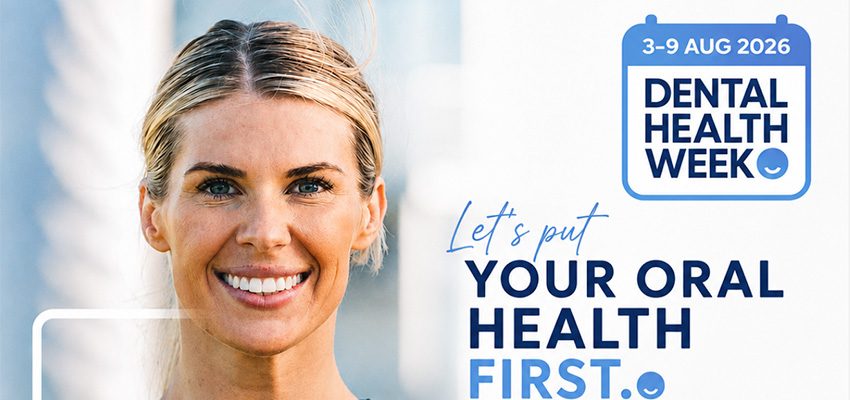
Each year, Dental Health Week encourages Australians to focus on the importance of oral health and the role it plays throughout every stage of life. This year’s theme, Back to the dentist! highlights how dental health supports us from childhood through to adulthood and beyond.

Oral health is not just about having straight or white teeth. Healthy teeth and gums affect comfort, confidence, eating, speaking, sleeping, and overall wellbeing. The small habits developed over time can have a lasting impact on oral health long into the future.

One of the most important messages behind this year’s theme is that every age and stage brings different dental needs. What matters during childhood may differ greatly from what becomes important later in life, which is why preventive care and regular monitoring remain valuable throughout every stage of development.

For young children, healthy oral habits often begin earlier than many parents realise. Baby teeth play an important role in eating, speech development, jaw growth, and guiding adult teeth into position. Establishing positive brushing habits early helps create stronger long-term routines as children grow older.

Regular dental visits during childhood also allow developing concerns to be identified early. Dentists monitor growth, hygiene habits, enamel development, crowding, bite alignment, and other changes that may affect oral health over time.

As children move into their teenage years, oral health challenges often change. Orthodontic concerns, sports injuries, diet choices, and inconsistent hygiene habits can all become more common during adolescence.

Teenagers also experience significant growth and lifestyle changes, making regular dental care especially important during this stage. Habits formed during teenage years frequently continue into adulthood, including both positive and negative oral health routines.

For adults, busy schedules often become one of the biggest barriers to maintaining oral health. Work, family responsibilities, financial pressures, and stress can all make it easy to delay dental visits or overlook small symptoms.

Unfortunately, many dental problems begin quietly and gradually. Tooth decay, gum disease, cracked teeth, grinding, and enamel wear may all progress for long periods without causing obvious pain initially. By the time discomfort appears, treatment may become more complicated than it would have been earlier.

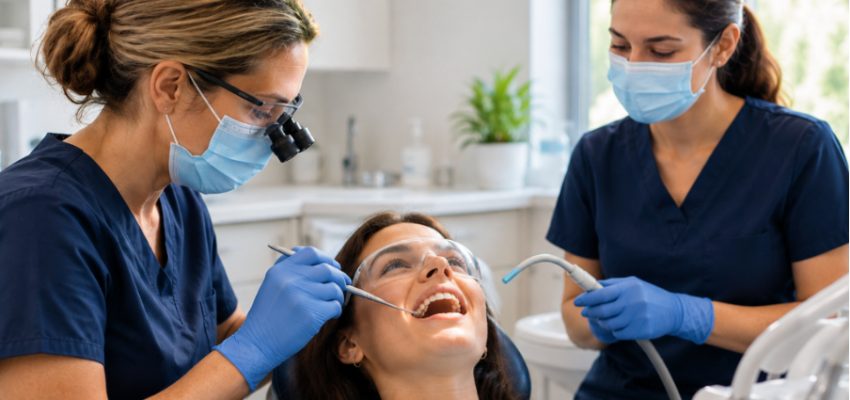
Preventive dental care focuses heavily on identifying concerns before they become larger issues. Routine examinations are not simply about cleaning teeth. Dentists also assess gum health, bite function, wear patterns, fillings, soft tissues, jaw joints, and signs of underlying dental disease.

Many adults are also surprised by how strongly stress can affect oral health. Teeth grinding and jaw clenching are increasingly common and may contribute to headaches, worn teeth, jaw discomfort, cracked teeth, and sensitivity over time.

As people get older, maintaining oral health continues becoming increasingly important. Ageing naturally affects teeth and gums, and existing dental work may eventually require maintenance or replacement. Dry mouth, gum recession, wear, and changes in general health can also influence oral health later in life.

The good news is that healthy smiles are not about perfection. Oral health is usually shaped by small consistent habits over time rather than dramatic changes.

Brushing thoroughly twice daily, cleaning between teeth, drinking water regularly, maintaining balanced eating habits, and attending routine dental check-ups all help support long-term oral health. Even small improvements in daily habits can make a significant difference over many years.

This year’s Dental Health Week theme also highlights the importance of education and awareness. Many people still assume dental visits are only necessary when something hurts, but preventive care remains one of the most effective ways to protect oral health long-term.

Early intervention often allows smaller issues to be managed more conservatively and comfortably before significant damage develops.

Importantly, oral health also affects confidence and quality of life. Feeling comfortable smiling, eating, speaking, and socialising plays an important role in emotional wellbeing at every age.

Whether it is helping children build healthy habits, supporting teenagers through orthodontic development, maintaining healthy adult smiles, or protecting ageing teeth and gums, every stage of life benefits from good oral care.

Dental Health Week serves as a reminder that oral health is not something to think about only occasionally. It is an ongoing part of overall wellbeing that evolves throughout life.

If it has been a while since your last dental visit or if you would like support maintaining healthy teeth and gums at any stage of life, come visit us. Our team is here to help support healthy smiles through every S-milestone for you and your family.

your-teeth

7 Things That Can Affect the Colour of Your Teeth

By admin | Blog | Comments are Closed | 11 July, 2026 | 0

Many people notice changes in the colour of their teeth over time and wonder what may be causing it. While bright white smiles are heavily promoted online and throughout advertising, natural teeth are not meant to stay perfectly white forever.

Tooth colour gradually changes because of ageing, lifestyle habits, diet, and everyday wear. Some discolouration is completely normal, while other changes may suggest staining, enamel wear, or underlying dental concerns.

Understanding what affects tooth colour can help people better protect their smile and make informed decisions about whitening and oral care.

Here are seven common things that can affect the colour of your teeth.

  1. Coffee and Tea

Coffee and tea are two of the most common causes of surface staining. Both contain compounds called tannins, which can gradually attach to enamel and darken teeth over time.

The effect often develops slowly, which is why many people do not notice the change immediately. Frequent sipping throughout the day may increase staining because teeth remain exposed for longer periods.

Black tea can sometimes stain teeth even more heavily than coffee, particularly when consumed regularly over many years.

  1. Red Wine

Red wine combines several factors that contribute to staining. It contains dark pigments, tannins, and acidity, all of which may affect enamel and tooth colour.

Acidity temporarily softens enamel, allowing pigments to attach more easily to the tooth surface. Over time, repeated exposure may contribute to dullness and darker staining.

Rinsing with water after drinking wine can help reduce some of the lingering effects on teeth.

  1. Smoking and Tobacco Use

Smoking is one of the most significant contributors to tooth discolouration. Tobacco products contain substances that can deeply stain enamel, often creating yellow or brown staining that becomes more difficult to remove over time.

Smoking may also affect gum health, increase plaque buildup, and contribute to bad breath, all of which can influence the overall appearance of a smile.

Many patients notice significant improvements in the appearance of their teeth and gums after reducing or stopping smoking.

  1. Ageing

Teeth naturally change colour as people get older. Over time, enamel gradually becomes thinner through normal wear, allowing the darker layer underneath, called dentine, to become more visible.

This process is completely natural and occurs gradually throughout life. Even people with excellent oral hygiene may notice teeth appearing slightly darker or more yellow over time because of ageing alone.

  1. Acidic Foods and Drinks

Acidic foods and drinks do not directly stain teeth, but they can contribute to enamel erosion, which affects how teeth look.

As enamel wears down, teeth may appear duller, more translucent, or slightly darker. Acidic exposure may come from soft drinks, citrus fruits, sports drinks, sparkling water, vinegar-based foods, and frequent snacking.

Once enamel is lost, it does not naturally grow back, which is why protecting enamel remains important long-term.

  1. Certain Medications and Health Factors

Some medications and medical conditions may affect tooth colour. Certain antibiotics taken during childhood development, for example, can influence how adult teeth appear later in life.

Dry mouth, reduced saliva flow, and some health conditions may also increase staining or plaque buildup.

In children, illness or trauma affecting developing teeth may sometimes change the colour of adult teeth as they emerge.

  1. Poor Oral Hygiene Habits

Plaque and tartar buildup can make teeth appear darker, duller, or more yellow over time.

When brushing and flossing become inconsistent, stains and bacteria remain on the tooth surface longer, contributing to discolouration. Regular professional cleans help remove hardened buildup that cannot be removed effectively at home.

Good oral hygiene does not guarantee perfectly white teeth, but it plays a major role in maintaining a cleaner, healthier-looking smile.

Healthy Teeth Are Not Always Perfectly White

One important thing many people forget is that healthy teeth naturally vary in colour. Some people naturally have slightly whiter teeth than others because of genetics and enamel thickness.

A healthy smile does not need to look unnaturally bright to appear attractive and well cared for.

Modern cosmetic dentistry is increasingly focused on natural-looking results rather than extremely white or artificial-looking smiles. Many patients simply want their teeth to appear fresher, cleaner, and healthier rather than dramatically different.

If concerns about tooth colour are affecting confidence, professional advice can help determine whether staining is related to lifestyle habits, enamel wear, or other factors.

If you have noticed changes in the colour of your teeth or are interested in learning more about safe whitening options, come visit us. Our team can assess your oral health and discuss personalised ways to help keep your smile looking healthy, fresh, and natural long-term.

preventive-dental

Why Preventive Dental Care Matters More Than Most People Realise

By admin | Blog | Comments are Closed | 11 July, 2026 | 0

When people think about dental treatment, they often picture fillings, crowns, or emergency appointments for tooth pain. However, one of the most important parts of modern dentistry is actually prevention.

Preventive dental care focuses on protecting teeth and gums before major problems develop. Rather than waiting for pain or damage to appear, preventive care aims to identify small issues early and support long-term oral health through regular monitoring, professional care, and healthy habits.

Many people underestimate just how important prevention is because dental problems often begin quietly and gradually. Cavities, gum disease, enamel wear, cracks, and grinding damage can all develop for long periods without obvious symptoms.

By the time pain appears, the issue may already require more complex treatment than it would have earlier.

This is one reason preventive dental care matters far more than many people realise.

Routine dental check-ups are not simply about cleaning teeth. During an examination, dentists also assess gum health, fillings, enamel wear, bite alignment, jaw joints, soft tissues, signs of grinding, and other subtle changes that may indicate developing problems.

Professional cleans help remove plaque and tartar buildup that cannot always be removed effectively at home, even with good brushing habits.

Gum health is another major focus of preventive care. Gum disease is extremely common and often begins with mild inflammation and bleeding during brushing or flossing.

Because gum disease is usually painless in the early stages, many people do not realise it is developing until more advanced symptoms appear. Left untreated, gum disease may eventually affect the structures supporting teeth and contribute to tooth loss.

The good news is that early-stage gum problems are often very manageable when identified early.

Preventive care also helps protect teeth from wear and damage caused by grinding and clenching. Many people grind their teeth during sleep without realising it.

Over time, grinding may contribute to cracked teeth, jaw tension, headaches, worn enamel, and sensitivity. Dental examinations often identify these signs before patients become aware of symptoms themselves.

Another important aspect of preventive care is monitoring changes over time. Teeth and gums naturally change throughout life because of ageing, diet, stress, medical conditions, medications, and daily habits.

Regular visits allow dentists to compare changes gradually and identify concerns before they progress further.

Preventive dentistry is especially important for children and teenagers. Early dental visits help monitor development, identify crowding or bite concerns, assess oral hygiene habits, and encourage positive attitudes toward dental care from a young age.

Building strong oral health habits during childhood often supports healthier outcomes long-term.

For adults, preventive care becomes increasingly valuable because many dental concerns accumulate gradually over decades. Old fillings may wear down, enamel may thin, gums may recede, and teeth may experience stress from years of chewing and grinding.

Small issues identified early are usually simpler and more comfortable to manage than larger problems left untreated.

Preventive dental care may also help reduce long-term treatment costs. Addressing a small cavity early, for example, is often far less complicated than waiting until extensive decay or infection develops.

Similarly, identifying grinding habits early may help prevent larger cracks or damage to teeth later on.

Importantly, preventive care is not about perfection. Everyone occasionally misses flossing, enjoys sugary foods, or falls out of routine during busy periods.

The goal is consistency and early awareness rather than flawless oral hygiene.

Many people also forget that oral health is closely connected to overall wellbeing. Healthy teeth and gums affect eating, speaking, sleep, comfort, confidence, and quality of life.

Poor oral health may contribute to pain, difficulty eating, infections, and ongoing discomfort that affects daily life far more than people expect.

One of the biggest misconceptions surrounding dentistry is that no pain means no problem. In reality, many serious dental issues remain painless until they become advanced.

Preventive care helps bridge that gap by identifying concerns before they become emergencies.

Modern dentistry increasingly focuses on preserving natural teeth and maintaining oral health long-term rather than simply repairing damage after it occurs.

Small preventive steps taken consistently over time often create the biggest long-term benefits for oral health.

If it has been a while since your last dental visit or if you would like support staying proactive with your oral health, come visit us. Our team can help identify concerns early, provide preventive care, and support healthy teeth and gums throughout every stage of life.

health-fund

Use it or Lose It! Have You Used Your Health Fund Benefits Yet?

By admin | Blog | Comments are Closed | 13 June, 2026 | 1

As the year moves along, many people are surprised to realise how quickly their health fund benefits can reset. Dental extras are one of the most commonly unused parts of private health insurance, with thousands of Australians missing out on benefits they have already paid for through their premiums.

For many families and individuals, this can mean leaving valuable preventative care unused simply because life becomes busy. Work schedules, school commitments, holidays, and everyday responsibilities often push dental appointments further down the priority list. Unfortunately, delaying routine care can sometimes allow small issues to become larger, more expensive problems later on.

One of the biggest misconceptions surrounding health fund benefits is that they should only be used when something feels wrong. In reality, most dental extras are designed to encourage preventive care before discomfort or obvious symptoms appear. Regular check-ups and cleans are intended to help identify concerns early, often before they develop into pain or require more complex treatment.

Many dental problems develop gradually and quietly. Tooth decay, gum inflammation, cracked fillings, and teeth grinding can all progress without obvious warning signs in the early stages. By the time discomfort appears, the issue may already require more extensive treatment than it would have months earlier.

Routine dental visits are not simply about cleaning teeth. During an examination, dentists also assess the health of gums, existing fillings, bite alignment, wear patterns, soft tissues, jaw function, and other signs that may indicate developing concerns. Preventive care is often far simpler, more comfortable, and more affordable than waiting until a problem becomes urgent.

For patients with children, health fund benefits can be especially valuable throughout the school year. Children’s teeth continue developing as they grow, and regular monitoring allows dentists to identify concerns early, including crowding, oral habits, enamel wear, and hygiene issues. Building positive dental habits during childhood also helps establish healthier long-term routines into adulthood.

Many adults are also surprised to learn how much everyday stress can affect oral health. Teeth grinding and clenching are increasingly common, particularly during busy periods of the year. Often, patients are unaware they are grinding their teeth until symptoms such as jaw tension, headaches, cracked teeth, or tooth sensitivity begin appearing. Regular dental visits can help identify these signs before significant damage occurs.

Another important consideration is that some health fund benefits may contribute toward treatments beyond general check-ups and cleans. Depending on the level of cover, patients may have benefits available for x-rays, mouthguards, periodontal treatment, restorative work, or other preventive and protective care. Every policy differs, which is why it can be helpful to understand what is included before benefits reset.

Some people avoid booking appointments because they are worried they will immediately require major dental treatment. However, many visits simply involve routine maintenance, reassurance, and monitoring. In many cases, identifying concerns early helps avoid larger procedures altogether.

Preventive dentistry has changed significantly over the years. Modern dental care focuses heavily on preservation, early intervention, and long-term oral health rather than waiting for serious issues to develop. Small adjustments, monitoring, hygiene improvements, or protective treatments can often make a significant difference over time.

The middle of the year can also be a useful time to reassess oral health habits at home. Even small improvements in brushing, flossing, hydration, and diet can positively affect teeth and gums. Many patients are surprised by how much daily habits influence long-term oral health outcomes.

For people who have been postponing treatment or delaying a visit, using available health fund benefits can also help reduce out-of-pocket expenses while staying proactive about oral health. Rather than rushing to book appointments toward the end of the year when schedules become crowded, organising visits earlier can often provide more flexibility and less stress.

Oral health is closely connected to overall wellbeing, confidence, comfort, and quality of life. Healthy teeth and gums affect eating, speaking, sleeping, and even social confidence. Looking after oral health consistently throughout the year is one of the best ways to maintain a healthy smile long-term.

If it has been a while since your last dental appointment, now may be a good opportunity to check your remaining health fund benefits and make the most of what is available before they reset. Preventive care today may help avoid more complicated issues later.

If you would like to stay on top of your oral health or use your available dental benefits before the year ends, come visit us and our team will be happy to help.

123

Recent Posts

  • Top 10 Reasons Your Teeth Might Look More Yellow Than They Used To
  • Could Your Daily Habits Be Wearing Your Teeth Away?
  • 5 Small Changes That Can Make a Big Difference to Your Oral Health
  • 6 Things That Happen During Your Check-Up That You Never See
  • Our Top 5 Most Common Questions We Hear Every Week

Recent Comments

    Archives

    • September 2026
    • August 2026
    • July 2026
    • June 2026
    • May 2026
    • April 2026
    • March 2026
    • February 2026
    • January 2026
    • December 2025
    • November 2025
    • October 2025
    • August 2025
    • July 2025
    • June 2025
    • May 2025
    • April 2025
    • March 2025
    • February 2025
    • December 2024
    • November 2024
    • October 2024
    • September 2024
    • August 2024
    • July 2024
    • June 2024
    • May 2024
    • April 2024
    • March 2024
    • February 2024
    • January 2024
    • December 2023
    • September 2023
    • August 2023
    • July 2023
    • June 2023
    • May 2023
    • April 2023
    • March 2023
    • February 2023
    • January 2023
    • December 2022
    • November 2022
    • October 2022
    • September 2022
    • August 2022
    • July 2022
    • June 2022
    • May 2022
    • April 2022
    • February 2022
    • January 2022
    • December 2021
    • October 2021
    • September 2021
    • August 2021
    • July 2021
    • May 2021
    • April 2021
    • March 2021
    • February 2021
    • January 2021
    • November 2020
    • September 2020
    • August 2020
    • July 2020
    • June 2020
    • April 2020
    • March 2020
    • February 2020
    • January 2020
    • December 2019
    • November 2019
    • October 2019
    • September 2019
    • August 2019
    • July 2019
    • June 2019
    • May 2019

    Categories

    • Blog
    • Recipe

    Meta

    • Log in
    • Entries RSS
    • Comments RSS
    • WordPress.org
    • Home
    • About Us
    • Services
    • Book Online
    • Contact Us
    • Privacy Policy
    Copyright 2015 One Smile | All Rights Reserved.
    Dental Website by Integrated Dental Marketing
    • Home
    • About Us
      • Our Team
      • Our Technology
      • Blog
    • Services
      • General Dentistry
        • Regular Examination
        • Root Canal Treatment
        • Fillings
        • Wisdom Teeth Removal
        • Dietary Advice
        • Oral Hygiene Instructions
        • Periodontal Care
      • Cosmetic Dentistry
        • Crowns & Bridges
        • Teeth Whitening
        • Veneers
        • Inlays & Onlays
        • Crown Lengthening
        • Full Mouth Rehabilitation
        • Digital Smile Design
      • Implant Dentistry
        • Single/Multiple Implants
        • Sinus Graft / Lift
        • Bone Grafting
        • All-on-4
      • Orthodontics
        • Clear Aligners
        • Myobrace
        • Braces
        • Adult Orthodontics
      • Children’s Dentistry
        • Fluoride Treatment
        • Fissure Sealants
        • Check-Up
        • Mouthguards
      • X-Ray
      • Snoring & Sleep Apnoea
    • Appointment Information
      • Emergencies
      • Health Funds
    • Book Online
      • Knox
      • Glen Waverley
      • Fountain Gate
    • Contact Us
      • Knox
      • Glen Waverley
      • Fountain Gate
    One Smile