
OPEN 7 DAYS A WEEK > KNOX 9887 4539 > GLEN WAVERLEY 9886 7551 > FOUNTAIN GATE 8794 9777
One SmileOne SmileOne SmileOne Smile
  • Home
  • About Us
    • Our Team
    • Our Technology
    • Blog
  • Services
    • General Dentistry
      • Regular Examination
      • Root Canal Treatment
      • Fillings
      • Wisdom Teeth Removal
      • Dietary Advice
      • Oral Hygiene Instructions
      • Periodontal Care
    • Cosmetic Dentistry
      • Crowns & Bridges
      • Teeth Whitening
      • Veneers
      • Inlays & Onlays
      • Crown Lengthening
      • Full Mouth Rehabilitation
      • Digital Smile Design
    • Implant Dentistry
      • Single/Multiple Implants
      • Sinus Graft / Lift
      • Bone Grafting
      • All-on-4
    • Orthodontics
      • Invisalign & ClearCorrect
      • Myobrace
      • Braces
      • Adult Orthodontics
    • Children’s Dentistry
      • Fluoride Treatment
      • Fissure Sealants
      • Check-Up
      • Mouthguards
    • X-Ray
    • Snoring & Sleep Apnoea
  • Appointment Information
    • Emergencies
    • Health Funds
  • Book Online
    • Knox
    • Glen Waverley
    • Fountain Gate
  • Contact Us
    • Knox
    • Glen Waverley
    • Fountain Gate

Blog

Home 2026 August

6 Things That Happen During Your Check-Up That You Never See

By admin | Blog | 0 comment | 24 August, 2026 | 0

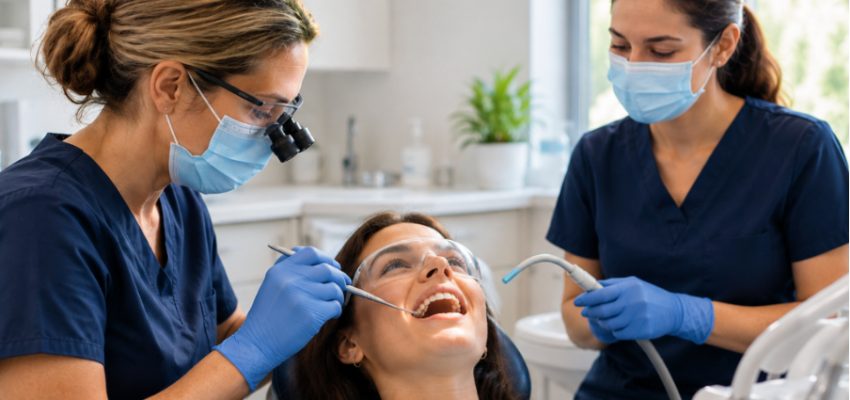
Most people think a dental check-up is simply a quick look at their teeth to see if they have any cavities.

In reality, there’s much more happening behind the scenes than most patients realise.

While your appointment may only last a short time, your dentist is assessing dozens of different aspects of your oral health. Many of these checks happen so naturally that you may not even notice they’re taking place.

Here are six things that happen during your dental check-up that you probably never see.

1. We’re Looking at More Than Just Your Teeth

Of course we’re checking your teeth for signs of decay or damage, but that’s only part of the examination.

We’re also assessing your gums, tongue, cheeks, lips, palate and other soft tissues throughout your mouth. Changes in these areas can provide valuable information about your oral health and help us identify anything that may need monitoring.

A routine dental examination is designed to assess your mouth as a whole, not just individual teeth.

2. We Compare Today’s Visit with Your Previous Ones

Every check-up adds another piece to your dental history.

Rather than looking at your teeth in isolation, we’re comparing today’s findings with previous appointments. Has a small crack changed? Is a filling showing signs of wear? Have your gums improved since your last visit?

These comparisons help us recognise subtle changes that might otherwise go unnoticed.

Monitoring your oral health over time is one of the biggest advantages of regular dental check-ups.

3. We Check How Your Teeth Work Together

Your bite plays an important role in your oral health.

As you close your mouth, we’re observing how your teeth come together and whether there are any signs that excessive pressure is being placed on certain teeth.

Uneven bite forces can contribute to tooth wear, cracked teeth, sore jaw muscles and other problems over time.

Many patients don’t even realise this assessment is taking place.

4. We’re Looking for Early Warning Signs

One of the most valuable parts of a routine dental examination is identifying small problems before they become larger ones.

Tiny cavities, early gum inflammation, worn fillings or small cracks often don’t cause pain or discomfort. In many cases, patients have no idea they’re there.

Finding these issues early often allows them to be monitored or managed before they become more complex.

It’s much easier to maintain a healthy smile than it is to repair one after significant damage has occurred.

5. We Assess Your Home Care Routine

Your teeth can tell us a surprising amount about your daily habits.

Plaque build-up, tartar, staining and the condition of your gums all provide clues about how effective your brushing and cleaning between your teeth may be.

This isn’t about judgement—it’s about understanding where we can offer practical advice.

Sometimes a small adjustment to your brushing technique or oral hygiene routine can make a noticeable difference by your next visit.

6. We’re Planning for the Future

A dental check-up isn’t only about what’s happening today.

We’re also thinking ahead.

Will that filling likely last another few years? Is that area something we’ll simply monitor? Are your wisdom teeth developing normally? Is there any tooth wear that we’d like to keep an eye on?

Much of what we do involves prevention and planning rather than simply treating problems after they’ve occurred.

This forward-thinking approach helps keep your smile healthier for longer.

Why Regular Check-Ups Matter

One of the biggest misconceptions about dental visits is that they’re only necessary when something hurts.

The reality is that many dental conditions develop gradually and without obvious symptoms.

Routine examinations allow us to monitor your oral health over time, identify small changes early and provide advice that’s tailored to your individual needs.

For many patients, the most valuable part of a check-up isn’t finding a problem—it’s confirming that everything is healthy.

That peace of mind is just as important.

Every Appointment Tells a Story

Your mouth is constantly changing.

Teeth naturally experience wear, fillings age, gums respond to your daily oral hygiene routine and your overall health can influence your oral health in subtle ways.

Each check-up helps us understand that story a little better.

By keeping track of these changes over time, we’re able to provide personalised care that’s focused not only on today’s smile but also on protecting it well into the future.

There’s More to a Check-Up Than Meets the Eye

Although a routine dental examination may seem simple, there’s a great deal happening behind the scenes.

From checking your bite and monitoring previous dental work to assessing your gums and looking for early signs of change, every part of your appointment is designed with prevention in mind.

If it’s been a while since your last dental check-up, we’d love to welcome you in. Regular examinations are one of the simplest ways to protect your oral health and help keep your smile healthy for years to come.


Our Top 5 Most Common Questions We Hear Every Week

By admin | Blog | 0 comment | 24 August, 2026 | 0

No matter how long someone has been looking after their teeth, there are always questions. In fact, some of the same questions come up almost every day.

Whether it’s about brushing, tooth sensitivity or how often to visit the dentist, these are the conversations we have with patients week after week.

Here are five of the most common questions we hear—and the answers that may surprise you.

1. “If My Teeth Don’t Hurt, Do I Still Need a Check-Up?”

This is probably the question we hear more than any other.

The short answer is yes.

Many dental problems don’t cause pain until they’ve become more advanced. Tooth decay, worn fillings, cracked teeth and even gum disease can develop slowly without any obvious symptoms.

Routine dental check-ups allow us to identify these issues while they’re still small. Early detection often means treatment is simpler, less invasive and easier to manage than waiting until a tooth becomes painful.

Think of a dental check-up as preventative maintenance rather than emergency repairs.

2. “Why Do My Teeth Feel Sensitive?”

Tooth sensitivity can happen for several reasons.

For some people, it’s triggered by cold drinks or ice cream. Others notice discomfort when eating something sweet or breathing in cold air.

Sensitivity may be linked to worn enamel, exposed tooth roots, teeth grinding, gum recession, tooth decay or even a cracked tooth.

Because there are several possible causes, it’s important not to assume that sensitivity is “just one of those things”. Identifying the reason allows us to recommend the most appropriate solution for your individual situation.

3. “Should My Gums Bleed When I Brush?”

Healthy gums shouldn’t bleed.

If you notice blood when brushing or flossing, it’s often an early sign that plaque has built up around the gumline, causing inflammation.

Many people stop brushing or flossing the area because it feels sore, but this usually allows the problem to become worse rather than better.

Keeping the area clean and attending regular dental check-ups can help maintain healthy gums and prevent more serious problems from developing.

4. “Is an Electric Toothbrush Better Than a Manual One?”

This is another popular question, and the answer may not be what you expect.

Both electric and manual toothbrushes can clean your teeth effectively when they’re used correctly.

The most important factors are brushing for around two minutes, using a soft-bristled brush and cleaning every surface of every tooth.

That said, many people find electric toothbrushes make it easier to brush thoroughly and consistently. Features such as built-in timers and pressure sensors can also help improve brushing technique.

Ultimately, the best toothbrush is the one you’ll use properly every day.

5. “How Often Should I Replace My Toothbrush?”

A toothbrush doesn’t stay effective forever.

As the bristles wear down, they become less efficient at removing plaque and cleaning around the gums.

Most toothbrushes should be replaced every three months, or sooner if the bristles become frayed or bent.

It’s also worth replacing your toothbrush after you’ve recovered from an illness, particularly if it involved a sore throat or viral infection.

A fresh toothbrush helps keep your oral hygiene routine working as effectively as possible.

No Question Is Too Small

One thing we’ve learnt over the years is that if one person is wondering about something, chances are plenty of other people are too.

Questions about bad breath, wisdom teeth, whitening, children’s dental care or sensitive teeth are all completely normal.

Never feel embarrassed about asking.

Our job isn’t just to look after your teeth—it’s to help you understand your oral health so you can make informed decisions with confidence.

Every Smile Is Different

While these are the questions we hear most often, there’s rarely a one-size-fits-all answer.

Two people with similar symptoms may have completely different causes, which is why personalised advice is so important.

Understanding your individual circumstances allows us to provide recommendations that are tailored specifically to your smile, rather than relying on general information found online.

We’re Here to Help

Whether you’ve been wondering why your teeth feel sensitive, why your gums bleed or whether your brushing routine is effective, asking questions is one of the best ways to take control of your oral health.

The more you understand about your teeth and gums, the easier it becomes to build healthy habits that last a lifetime.

If you’ve got a question that’s been on your mind, we’d love to answer it at your next appointment. No question is too simple, and we’re always happy to help you better understand your smile.

How Your Mouth Changes as You Age (20s, 30s, 40s, 50+)

By admin | Blog | 0 comment | 24 August, 2026 | 0

Your smile changes throughout your life, just like the rest of your body.

From your twenties through to your fifties and beyond, your teeth, gums and mouth naturally experience changes influenced by age, lifestyle, diet and general health. While many of these changes are perfectly normal, understanding what to expect can help you maintain a healthy smile for years to come.

Here’s how your oral health may change during each stage of adulthood.

Your 20s: Building Healthy Habits

For many people, their twenties are a time of independence, busy careers and changing lifestyles.

It’s also the decade where the habits you establish can have a lasting impact on your oral health.

If you’ve finished orthodontic treatment, wearing your retainer as recommended is important for helping maintain your new smile. It’s also common to see wisdom teeth emerge during this period, although not everyone develops problems with them.

Busy schedules can sometimes lead to skipped brushing, frequent takeaway meals or sugary drinks on the go. While these habits may not seem significant at the time, they can gradually increase the risk of tooth decay and gum disease.

Building consistent oral hygiene habits now provides benefits for decades to come.

Your 30s: Balancing Life and Oral Health

Life often becomes busier in your thirties.

Careers continue to develop, families grow and many people find themselves juggling multiple responsibilities.

With so much happening, it’s easy for your own health to slip down the priority list.

During this decade, some people begin noticing the early effects of teeth grinding or clenching, often linked to stress. Small areas of tooth wear may also become more noticeable.

For many women, pregnancy can also bring temporary changes to oral health, including increased gum sensitivity due to hormonal changes.

Regular dental check-ups help monitor these changes and keep your oral health on track during this busy stage of life.

Your 40s: Small Changes Become More Noticeable

By your forties, your teeth have been working hard for decades.

Previous fillings may begin to show signs of wear, enamel can gradually become thinner and some people notice increased tooth sensitivity.

It’s also common to see minor gum recession, making teeth appear slightly longer than they once did.

Lifestyle habits accumulated over many years—such as coffee, tea or red wine consumption—may also contribute to staining, leading some people to consider cosmetic treatments for the first time.

Fortunately, many of these changes can be managed with good oral hygiene and regular dental care.

Your 50s and Beyond: Maintaining Your Smile

As we move into our fifties and beyond, maintaining oral health becomes just as important as ever.

Some medications commonly prescribed later in life may reduce saliva production, increasing the risk of dry mouth. Because saliva helps protect teeth from decay, this change can have a noticeable impact on oral health.

Gums may become more susceptible to inflammation, while older restorations such as fillings or crowns may eventually require replacement after many years of service.

Despite these natural changes, many people now keep their natural teeth for life thanks to improved oral hygiene, preventive care and advances in modern dentistry.

It’s Not Just About Age

While age plays a role, it’s only one part of the picture.

Your diet, oral hygiene routine, smoking status, general health and even stress levels all influence how your teeth and gums change over time.

Two people of the same age can have very different oral health depending on their daily habits and lifestyle.

That’s why there isn’t a “normal” smile for every age—everyone’s journey is unique.

Prevention Never Stops

One of the biggest misconceptions is that once you’ve reached a certain age, dental problems are simply unavoidable.

In reality, prevention remains incredibly effective throughout every stage of life.

Brushing twice a day with fluoride toothpaste, cleaning between your teeth, eating a balanced diet and attending regular dental check-ups continue to play an important role whether you’re 25 or 75.

Looking after your smile is a lifelong investment.

Every Stage Brings Different Priorities

Your twenties may focus on preventing decay.

Your thirties might involve managing teeth grinding or balancing family life.

Your forties may be about maintaining existing dental work, while your fifties and beyond often centre on preserving healthy teeth and gums for the future.

The good news is that every stage also brings opportunities to protect your oral health.

Understanding what’s changing allows you to make informed decisions before small issues become larger ones.

A Healthy Smile at Every Age

Growing older doesn’t mean accepting poor oral health.

With the right habits and regular professional care, it’s possible to enjoy strong, healthy teeth throughout your life.

Whether you’re just starting your career, raising a family or enjoying retirement, looking after your oral health continues to support your confidence, comfort and overall wellbeing.

If you have questions about how your oral health may be changing or you’ve noticed something different about your teeth or gums, our friendly team is always happy to help. Together, we can keep your smile healthy at every stage of life.

Recent Posts

  • 6 Things That Happen During Your Check-Up That You Never See
  • Our Top 5 Most Common Questions We Hear Every Week
  • How Your Mouth Changes as You Age (20s, 30s, 40s, 50+)
  • Dental Health Week 2026: Back to the dentist!
  • 7 Things That Can Affect the Colour of Your Teeth

Recent Comments

    Archives

    • August 2026
    • July 2026
    • June 2026
    • May 2026
    • April 2026
    • March 2026
    • February 2026
    • January 2026
    • December 2025
    • November 2025
    • October 2025
    • August 2025
    • July 2025
    • June 2025
    • May 2025
    • April 2025
    • March 2025
    • February 2025
    • December 2024
    • November 2024
    • October 2024
    • September 2024
    • August 2024
    • July 2024
    • June 2024
    • May 2024
    • April 2024
    • March 2024
    • February 2024
    • January 2024
    • December 2023
    • September 2023
    • August 2023
    • July 2023
    • June 2023
    • May 2023
    • April 2023
    • March 2023
    • February 2023
    • January 2023
    • December 2022
    • November 2022
    • October 2022
    • September 2022
    • August 2022
    • July 2022
    • June 2022
    • May 2022
    • April 2022
    • February 2022
    • January 2022
    • December 2021
    • October 2021
    • September 2021
    • August 2021
    • July 2021
    • May 2021
    • April 2021
    • March 2021
    • February 2021
    • January 2021
    • November 2020
    • September 2020
    • August 2020
    • July 2020
    • June 2020
    • April 2020
    • March 2020
    • February 2020
    • January 2020
    • December 2019
    • November 2019
    • October 2019
    • September 2019
    • August 2019
    • July 2019
    • June 2019
    • May 2019

    Categories

    • Blog
    • Recipe

    Meta

    • Log in
    • Entries RSS
    • Comments RSS
    • WordPress.org
    • Home
    • About Us
    • Services
    • Book Online
    • Contact Us
    • Privacy Policy
    Copyright 2015 One Smile | All Rights Reserved.
    Dental Website by Integrated Dental Marketing
    • Home
    • About Us
      • Our Team
      • Our Technology
      • Blog
    • Services
      • General Dentistry
        • Regular Examination
        • Root Canal Treatment
        • Fillings
        • Wisdom Teeth Removal
        • Dietary Advice
        • Oral Hygiene Instructions
        • Periodontal Care
      • Cosmetic Dentistry
        • Crowns & Bridges
        • Teeth Whitening
        • Veneers
        • Inlays & Onlays
        • Crown Lengthening
        • Full Mouth Rehabilitation
        • Digital Smile Design
      • Implant Dentistry
        • Single/Multiple Implants
        • Sinus Graft / Lift
        • Bone Grafting
        • All-on-4
      • Orthodontics
        • Invisalign & ClearCorrect
        • Myobrace
        • Braces
        • Adult Orthodontics
      • Children’s Dentistry
        • Fluoride Treatment
        • Fissure Sealants
        • Check-Up
        • Mouthguards
      • X-Ray
      • Snoring & Sleep Apnoea
    • Appointment Information
      • Emergencies
      • Health Funds
    • Book Online
      • Knox
      • Glen Waverley
      • Fountain Gate
    • Contact Us
      • Knox
      • Glen Waverley
      • Fountain Gate
    One Smile