
OPEN 7 DAYS A WEEK > KNOX 9887 4539 > GLEN WAVERLEY 9886 7551 > FOUNTAIN GATE 8794 9777
One SmileOne SmileOne SmileOne Smile
  • Home
  • About Us
    • Our Team
    • Our Technology
    • Blog
  • Services
    • General Dentistry
      • Regular Examination
      • Root Canal Treatment
      • Fillings
      • Wisdom Teeth Removal
      • Dietary Advice
      • Oral Hygiene Instructions
      • Periodontal Care
    • Cosmetic Dentistry
      • Crowns & Bridges
      • Teeth Whitening
      • Veneers
      • Inlays & Onlays
      • Crown Lengthening
      • Full Mouth Rehabilitation
      • Digital Smile Design
    • Implant Dentistry
      • Single/Multiple Implants
      • Sinus Graft / Lift
      • Bone Grafting
      • All-on-4
    • Orthodontics
      • Invisalign & ClearCorrect
      • Myobrace
      • Braces
      • Adult Orthodontics
    • Children’s Dentistry
      • Fluoride Treatment
      • Fissure Sealants
      • Check-Up
      • Mouthguards
    • X-Ray
    • Snoring & Sleep Apnoea
  • Appointment Information
    • Emergencies
    • Health Funds
  • Book Online
    • Knox
    • Glen Waverley
    • Fountain Gate
  • Contact Us
    • Knox
    • Glen Waverley
    • Fountain Gate

Blog

Home 2026 July
health-week

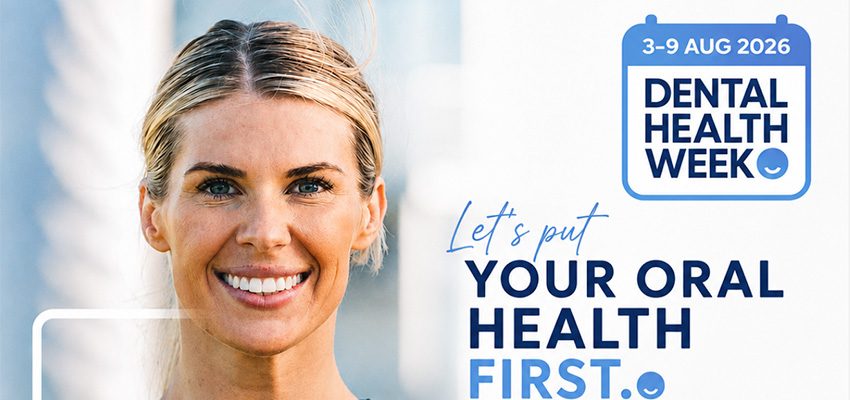
Dental Health Week 2026: Back to the dentist!

By admin | Blog | Comments are Closed | 11 July, 2026 | 0

Each year, Dental Health Week encourages Australians to focus on the importance of oral health and the role it plays throughout every stage of life. This year’s theme, Back to the dentist! highlights how dental health supports us from childhood through to adulthood and beyond.

Oral health is not just about having straight or white teeth. Healthy teeth and gums affect comfort, confidence, eating, speaking, sleeping, and overall wellbeing. The small habits developed over time can have a lasting impact on oral health long into the future.

One of the most important messages behind this year’s theme is that every age and stage brings different dental needs. What matters during childhood may differ greatly from what becomes important later in life, which is why preventive care and regular monitoring remain valuable throughout every stage of development.

For young children, healthy oral habits often begin earlier than many parents realise. Baby teeth play an important role in eating, speech development, jaw growth, and guiding adult teeth into position. Establishing positive brushing habits early helps create stronger long-term routines as children grow older.

Regular dental visits during childhood also allow developing concerns to be identified early. Dentists monitor growth, hygiene habits, enamel development, crowding, bite alignment, and other changes that may affect oral health over time.

As children move into their teenage years, oral health challenges often change. Orthodontic concerns, sports injuries, diet choices, and inconsistent hygiene habits can all become more common during adolescence.

Teenagers also experience significant growth and lifestyle changes, making regular dental care especially important during this stage. Habits formed during teenage years frequently continue into adulthood, including both positive and negative oral health routines.

For adults, busy schedules often become one of the biggest barriers to maintaining oral health. Work, family responsibilities, financial pressures, and stress can all make it easy to delay dental visits or overlook small symptoms.

Unfortunately, many dental problems begin quietly and gradually. Tooth decay, gum disease, cracked teeth, grinding, and enamel wear may all progress for long periods without causing obvious pain initially. By the time discomfort appears, treatment may become more complicated than it would have been earlier.

Preventive dental care focuses heavily on identifying concerns before they become larger issues. Routine examinations are not simply about cleaning teeth. Dentists also assess gum health, bite function, wear patterns, fillings, soft tissues, jaw joints, and signs of underlying dental disease.

Many adults are also surprised by how strongly stress can affect oral health. Teeth grinding and jaw clenching are increasingly common and may contribute to headaches, worn teeth, jaw discomfort, cracked teeth, and sensitivity over time.

As people get older, maintaining oral health continues becoming increasingly important. Ageing naturally affects teeth and gums, and existing dental work may eventually require maintenance or replacement. Dry mouth, gum recession, wear, and changes in general health can also influence oral health later in life.

The good news is that healthy smiles are not about perfection. Oral health is usually shaped by small consistent habits over time rather than dramatic changes.

Brushing thoroughly twice daily, cleaning between teeth, drinking water regularly, maintaining balanced eating habits, and attending routine dental check-ups all help support long-term oral health. Even small improvements in daily habits can make a significant difference over many years.

This year’s Dental Health Week theme also highlights the importance of education and awareness. Many people still assume dental visits are only necessary when something hurts, but preventive care remains one of the most effective ways to protect oral health long-term.

Early intervention often allows smaller issues to be managed more conservatively and comfortably before significant damage develops.

Importantly, oral health also affects confidence and quality of life. Feeling comfortable smiling, eating, speaking, and socialising plays an important role in emotional wellbeing at every age.

Whether it is helping children build healthy habits, supporting teenagers through orthodontic development, maintaining healthy adult smiles, or protecting ageing teeth and gums, every stage of life benefits from good oral care.

Dental Health Week serves as a reminder that oral health is not something to think about only occasionally. It is an ongoing part of overall wellbeing that evolves throughout life.

If it has been a while since your last dental visit or if you would like support maintaining healthy teeth and gums at any stage of life, come visit us. Our team is here to help support healthy smiles through every S-milestone for you and your family.


your-teeth

7 Things That Can Affect the Colour of Your Teeth

By admin | Blog | Comments are Closed | 11 July, 2026 | 0

Many people notice changes in the colour of their teeth over time and wonder what may be causing it. While bright white smiles are heavily promoted online and throughout advertising, natural teeth are not meant to stay perfectly white forever.

Tooth colour gradually changes because of ageing, lifestyle habits, diet, and everyday wear. Some discolouration is completely normal, while other changes may suggest staining, enamel wear, or underlying dental concerns.

Understanding what affects tooth colour can help people better protect their smile and make informed decisions about whitening and oral care.

Here are seven common things that can affect the colour of your teeth.

  1. Coffee and Tea

Coffee and tea are two of the most common causes of surface staining. Both contain compounds called tannins, which can gradually attach to enamel and darken teeth over time.

The effect often develops slowly, which is why many people do not notice the change immediately. Frequent sipping throughout the day may increase staining because teeth remain exposed for longer periods.

Black tea can sometimes stain teeth even more heavily than coffee, particularly when consumed regularly over many years.

  1. Red Wine

Red wine combines several factors that contribute to staining. It contains dark pigments, tannins, and acidity, all of which may affect enamel and tooth colour.

Acidity temporarily softens enamel, allowing pigments to attach more easily to the tooth surface. Over time, repeated exposure may contribute to dullness and darker staining.

Rinsing with water after drinking wine can help reduce some of the lingering effects on teeth.

  1. Smoking and Tobacco Use

Smoking is one of the most significant contributors to tooth discolouration. Tobacco products contain substances that can deeply stain enamel, often creating yellow or brown staining that becomes more difficult to remove over time.

Smoking may also affect gum health, increase plaque buildup, and contribute to bad breath, all of which can influence the overall appearance of a smile.

Many patients notice significant improvements in the appearance of their teeth and gums after reducing or stopping smoking.

  1. Ageing

Teeth naturally change colour as people get older. Over time, enamel gradually becomes thinner through normal wear, allowing the darker layer underneath, called dentine, to become more visible.

This process is completely natural and occurs gradually throughout life. Even people with excellent oral hygiene may notice teeth appearing slightly darker or more yellow over time because of ageing alone.

  1. Acidic Foods and Drinks

Acidic foods and drinks do not directly stain teeth, but they can contribute to enamel erosion, which affects how teeth look.

As enamel wears down, teeth may appear duller, more translucent, or slightly darker. Acidic exposure may come from soft drinks, citrus fruits, sports drinks, sparkling water, vinegar-based foods, and frequent snacking.

Once enamel is lost, it does not naturally grow back, which is why protecting enamel remains important long-term.

  1. Certain Medications and Health Factors

Some medications and medical conditions may affect tooth colour. Certain antibiotics taken during childhood development, for example, can influence how adult teeth appear later in life.

Dry mouth, reduced saliva flow, and some health conditions may also increase staining or plaque buildup.

In children, illness or trauma affecting developing teeth may sometimes change the colour of adult teeth as they emerge.

  1. Poor Oral Hygiene Habits

Plaque and tartar buildup can make teeth appear darker, duller, or more yellow over time.

When brushing and flossing become inconsistent, stains and bacteria remain on the tooth surface longer, contributing to discolouration. Regular professional cleans help remove hardened buildup that cannot be removed effectively at home.

Good oral hygiene does not guarantee perfectly white teeth, but it plays a major role in maintaining a cleaner, healthier-looking smile.

Healthy Teeth Are Not Always Perfectly White

One important thing many people forget is that healthy teeth naturally vary in colour. Some people naturally have slightly whiter teeth than others because of genetics and enamel thickness.

A healthy smile does not need to look unnaturally bright to appear attractive and well cared for.

Modern cosmetic dentistry is increasingly focused on natural-looking results rather than extremely white or artificial-looking smiles. Many patients simply want their teeth to appear fresher, cleaner, and healthier rather than dramatically different.

If concerns about tooth colour are affecting confidence, professional advice can help determine whether staining is related to lifestyle habits, enamel wear, or other factors.

If you have noticed changes in the colour of your teeth or are interested in learning more about safe whitening options, come visit us. Our team can assess your oral health and discuss personalised ways to help keep your smile looking healthy, fresh, and natural long-term.

preventive-dental

Why Preventive Dental Care Matters More Than Most People Realise

By admin | Blog | Comments are Closed | 11 July, 2026 | 0

When people think about dental treatment, they often picture fillings, crowns, or emergency appointments for tooth pain. However, one of the most important parts of modern dentistry is actually prevention.

Preventive dental care focuses on protecting teeth and gums before major problems develop. Rather than waiting for pain or damage to appear, preventive care aims to identify small issues early and support long-term oral health through regular monitoring, professional care, and healthy habits.

Many people underestimate just how important prevention is because dental problems often begin quietly and gradually. Cavities, gum disease, enamel wear, cracks, and grinding damage can all develop for long periods without obvious symptoms.

By the time pain appears, the issue may already require more complex treatment than it would have earlier.

This is one reason preventive dental care matters far more than many people realise.

Routine dental check-ups are not simply about cleaning teeth. During an examination, dentists also assess gum health, fillings, enamel wear, bite alignment, jaw joints, soft tissues, signs of grinding, and other subtle changes that may indicate developing problems.

Professional cleans help remove plaque and tartar buildup that cannot always be removed effectively at home, even with good brushing habits.

Gum health is another major focus of preventive care. Gum disease is extremely common and often begins with mild inflammation and bleeding during brushing or flossing.

Because gum disease is usually painless in the early stages, many people do not realise it is developing until more advanced symptoms appear. Left untreated, gum disease may eventually affect the structures supporting teeth and contribute to tooth loss.

The good news is that early-stage gum problems are often very manageable when identified early.

Preventive care also helps protect teeth from wear and damage caused by grinding and clenching. Many people grind their teeth during sleep without realising it.

Over time, grinding may contribute to cracked teeth, jaw tension, headaches, worn enamel, and sensitivity. Dental examinations often identify these signs before patients become aware of symptoms themselves.

Another important aspect of preventive care is monitoring changes over time. Teeth and gums naturally change throughout life because of ageing, diet, stress, medical conditions, medications, and daily habits.

Regular visits allow dentists to compare changes gradually and identify concerns before they progress further.

Preventive dentistry is especially important for children and teenagers. Early dental visits help monitor development, identify crowding or bite concerns, assess oral hygiene habits, and encourage positive attitudes toward dental care from a young age.

Building strong oral health habits during childhood often supports healthier outcomes long-term.

For adults, preventive care becomes increasingly valuable because many dental concerns accumulate gradually over decades. Old fillings may wear down, enamel may thin, gums may recede, and teeth may experience stress from years of chewing and grinding.

Small issues identified early are usually simpler and more comfortable to manage than larger problems left untreated.

Preventive dental care may also help reduce long-term treatment costs. Addressing a small cavity early, for example, is often far less complicated than waiting until extensive decay or infection develops.

Similarly, identifying grinding habits early may help prevent larger cracks or damage to teeth later on.

Importantly, preventive care is not about perfection. Everyone occasionally misses flossing, enjoys sugary foods, or falls out of routine during busy periods.

The goal is consistency and early awareness rather than flawless oral hygiene.

Many people also forget that oral health is closely connected to overall wellbeing. Healthy teeth and gums affect eating, speaking, sleep, comfort, confidence, and quality of life.

Poor oral health may contribute to pain, difficulty eating, infections, and ongoing discomfort that affects daily life far more than people expect.

One of the biggest misconceptions surrounding dentistry is that no pain means no problem. In reality, many serious dental issues remain painless until they become advanced.

Preventive care helps bridge that gap by identifying concerns before they become emergencies.

Modern dentistry increasingly focuses on preserving natural teeth and maintaining oral health long-term rather than simply repairing damage after it occurs.

Small preventive steps taken consistently over time often create the biggest long-term benefits for oral health.

If it has been a while since your last dental visit or if you would like support staying proactive with your oral health, come visit us. Our team can help identify concerns early, provide preventive care, and support healthy teeth and gums throughout every stage of life.

Recent Posts

  • Dental Health Week 2026: Back to the dentist!
  • 7 Things That Can Affect the Colour of Your Teeth
  • Why Preventive Dental Care Matters More Than Most People Realise
  • Use it or Lose It! Have You Used Your Health Fund Benefits Yet?
  • Top 5 Everyday Habits That Damage Teeth Without You Realising

Recent Comments

    Archives

    • July 2026
    • June 2026
    • May 2026
    • April 2026
    • March 2026
    • February 2026
    • January 2026
    • December 2025
    • November 2025
    • October 2025
    • August 2025
    • July 2025
    • June 2025
    • May 2025
    • April 2025
    • March 2025
    • February 2025
    • December 2024
    • November 2024
    • October 2024
    • September 2024
    • August 2024
    • July 2024
    • June 2024
    • May 2024
    • April 2024
    • March 2024
    • February 2024
    • January 2024
    • December 2023
    • September 2023
    • August 2023
    • July 2023
    • June 2023
    • May 2023
    • April 2023
    • March 2023
    • February 2023
    • January 2023
    • December 2022
    • November 2022
    • October 2022
    • September 2022
    • August 2022
    • July 2022
    • June 2022
    • May 2022
    • April 2022
    • February 2022
    • January 2022
    • December 2021
    • October 2021
    • September 2021
    • August 2021
    • July 2021
    • May 2021
    • April 2021
    • March 2021
    • February 2021
    • January 2021
    • November 2020
    • September 2020
    • August 2020
    • July 2020
    • June 2020
    • April 2020
    • March 2020
    • February 2020
    • January 2020
    • December 2019
    • November 2019
    • October 2019
    • September 2019
    • August 2019
    • July 2019
    • June 2019
    • May 2019

    Categories

    • Blog
    • Recipe

    Meta

    • Log in
    • Entries RSS
    • Comments RSS
    • WordPress.org
    • Home
    • About Us
    • Services
    • Book Online
    • Contact Us
    • Privacy Policy
    Copyright 2015 One Smile | All Rights Reserved.
    Dental Website by Integrated Dental Marketing
    • Home
    • About Us
      • Our Team
      • Our Technology
      • Blog
    • Services
      • General Dentistry
        • Regular Examination
        • Root Canal Treatment
        • Fillings
        • Wisdom Teeth Removal
        • Dietary Advice
        • Oral Hygiene Instructions
        • Periodontal Care
      • Cosmetic Dentistry
        • Crowns & Bridges
        • Teeth Whitening
        • Veneers
        • Inlays & Onlays
        • Crown Lengthening
        • Full Mouth Rehabilitation
        • Digital Smile Design
      • Implant Dentistry
        • Single/Multiple Implants
        • Sinus Graft / Lift
        • Bone Grafting
        • All-on-4
      • Orthodontics
        • Invisalign & ClearCorrect
        • Myobrace
        • Braces
        • Adult Orthodontics
      • Children’s Dentistry
        • Fluoride Treatment
        • Fissure Sealants
        • Check-Up
        • Mouthguards
      • X-Ray
      • Snoring & Sleep Apnoea
    • Appointment Information
      • Emergencies
      • Health Funds
    • Book Online
      • Knox
      • Glen Waverley
      • Fountain Gate
    • Contact Us
      • Knox
      • Glen Waverley
      • Fountain Gate
    One Smile