
OPEN 7 DAYS A WEEK > KNOX 9887 4539 > GLEN WAVERLEY 9886 7551 > FOUNTAIN GATE 8794 9777
One SmileOne SmileOne SmileOne Smile
  • Home
  • About Us
    • Our Team
    • Our Technology
    • Blog
  • Services
    • General Dentistry
      • Regular Examination
      • Root Canal Treatment
      • Fillings
      • Wisdom Teeth Removal
      • Dietary Advice
      • Oral Hygiene Instructions
      • Periodontal Care
    • Cosmetic Dentistry
      • Crowns & Bridges
      • Teeth Whitening
      • Veneers
      • Inlays & Onlays
      • Crown Lengthening
      • Full Mouth Rehabilitation
      • Digital Smile Design
    • Implant Dentistry
      • Single/Multiple Implants
      • Sinus Graft / Lift
      • Bone Grafting
      • All-on-4
    • Orthodontics
      • Invisalign & ClearCorrect
      • Myobrace
      • Braces
      • Adult Orthodontics
    • Children’s Dentistry
      • Fluoride Treatment
      • Fissure Sealants
      • Check-Up
      • Mouthguards
    • X-Ray
    • Snoring & Sleep Apnoea
  • Appointment Information
    • Emergencies
    • Health Funds
  • Book Online
    • Knox
    • Glen Waverley
    • Fountain Gate
  • Contact Us
    • Knox
    • Glen Waverley
    • Fountain Gate

Blog

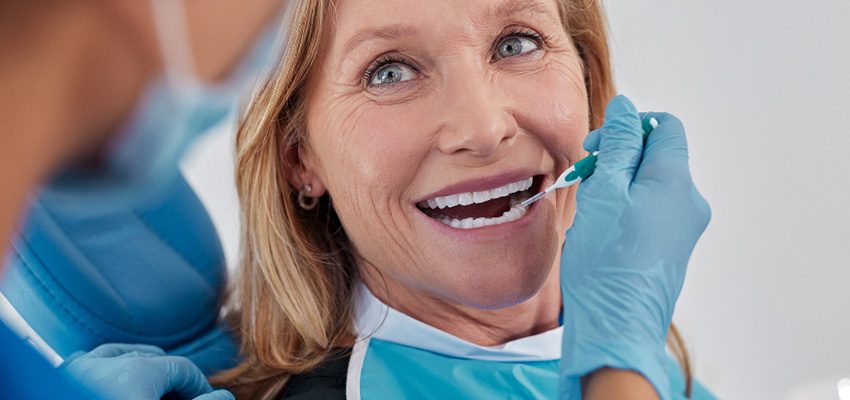
teeth-age

Why Teeth Age Faster Than the Rest of You

By admin | Blog | Comments are Closed | 8 March, 2026 | 2

Why do teeth often show signs of ageing earlier than the rest of the body?
Ageing is often associated with changes in skin, hair and energy levels, but teeth frequently show signs of ageing much earlier than the rest of the body. Many people are surprised to learn that their teeth can appear worn, dull or sensitive even when they feel otherwise healthy. This is not simply a cosmetic issue. Teeth age faster because they are exposed to constant use, pressure and environmental factors every single day, without the ability to repair themselves in the way other tissues can. Understanding why this happens helps explain common changes and highlights the importance of early prevention.

Why does enamel wear make teeth age faster?
One of the primary reasons teeth age faster is enamel wear. Enamel is the hard outer layer that protects teeth from damage, but it does not regenerate. Every time you chew, bite, grind or brush, small amounts of enamel are gradually worn away. Acidic foods and drinks soften enamel temporarily, making it more vulnerable to wear from brushing or chewing. Over decades, this repeated exposure results in thinner enamel, which can make teeth appear darker, flatter and more translucent at the edges.

How do daily mechanical forces accelerate dental ageing?
The constant mechanical forces placed on teeth also accelerate ageing. Teeth are used thousands of times each day for chewing, speaking and swallowing. Habits such as clenching or grinding, often linked to stress, dramatically increase the pressure placed on teeth. This excessive force speeds up wear and can cause microcracks that weaken tooth structure. Unlike muscles or bone, teeth cannot remodel or strengthen in response to stress, so damage accumulates over time.

What role does saliva play in protecting teeth from ageing?
Saliva plays a crucial protective role in the mouth, and changes in saliva can contribute to faster dental ageing. Saliva neutralises acids, washes away food particles and supports enamel remineralisation. As people age, saliva flow can decrease due to medications, medical conditions or dehydration. Reduced saliva leaves teeth more vulnerable to decay and erosion. When this protective system is compromised, teeth age more rapidly than other tissues that benefit from ongoing repair mechanisms.

How do gum changes affect the appearance of ageing teeth?
Gum changes also contribute to the appearance of ageing teeth. Over time, gums may recede due to brushing habits, gum disease or natural changes in tissue. As gums recede, tooth roots become exposed. These roots are not protected by enamel and are more susceptible to wear and decay. Gum recession can make teeth look longer and more uneven, which many people associate with ageing, even though it is largely preventable.

Why do lifelong dietary habits contribute to faster ageing teeth?
Dietary habits accumulated over a lifetime also play a role. Frequent exposure to sugar and acids feeds bacteria that produce acids, contributing to decay and enamel loss. Even healthy choices, such as citrus fruits or sparkling water, can affect enamel if consumed frequently without protective habits. Teeth bear the cumulative effects of decades of dietary exposure, whereas other parts of the body may recover more easily from short-term impacts.

How can dental restorations influence how teeth age?
Dental restorations, while necessary, can also influence how teeth age. Fillings, crowns and other restorations do not last forever. Over time, they can wear down, loosen or develop gaps at their edges. These areas can trap bacteria and accelerate decay in the surrounding tooth structure. As restorations age, the teeth supporting them may weaken, contributing to further changes in appearance and function.

Why are early signs of dental ageing often missed?
Another factor is that teeth do not receive the same level of attention as other ageing signs. Many people invest in skincare, fitness and nutrition but overlook subtle dental changes until discomfort appears. Early signs of dental ageing, such as minor wear or sensitivity, are often ignored because they are not painful. This allows damage to progress unchecked, making ageing more noticeable later on.

How do environmental extremes contribute to tooth ageing?
The mouth is also exposed to environmental extremes that speed up wear. Temperature changes from hot and cold foods cause teeth to expand and contract slightly. Over time, this repeated movement contributes to tiny cracks and structural fatigue. Combined with chewing forces and acid exposure, this creates a challenging environment for teeth to remain unchanged over a lifetime.

Can dental ageing be slowed in the early stages?
While teeth do age faster, this process is not inevitable or irreversible in its early stages. Protective habits can significantly slow dental ageing. Gentle brushing with appropriate tools, limiting frequent acidic intake and managing clenching or grinding all help preserve enamel. Regular dental assessments allow early signs of wear, gum changes or restoration breakdown to be identified before significant damage occurs.

Why does understanding dental ageing support long-term oral health?
Understanding why teeth age faster than the rest of the body highlights the importance of proactive care. Teeth are remarkable structures designed to last, but they rely on ongoing protection rather than repair. By recognising the factors that accelerate dental ageing and addressing them early, it is possible to maintain stronger, healthier teeth that age more gracefully alongside the rest of you. Visiting us regularly allows changes to be monitored and managed, supporting long-term oral health and comfort as the years progress.

dental-myths

12 Dental Myths We Still Believe

By admin | Blog | Comments are Closed | 8 March, 2026 | 1

Why do dental myths continue to influence oral health decisions?
Despite advances in dental care and access to reliable information, many dental myths continue to shape how people think about their oral health. These misconceptions are often passed down through families, reinforced online or formed through outdated advice. While some myths sound harmless, believing them can lead to delayed care, ineffective habits or avoidable damage over time. Understanding what is fact and what is fiction helps people make better decisions about their teeth and gums.

Are bleeding gums actually normal for some people?
One of the most common myths is that bleeding gums are normal. Many people assume that a little blood during brushing or flossing is nothing to worry about, especially if it has been happening for years. In reality, healthy gums do not bleed. Bleeding is usually a sign of inflammation caused by plaque build-up along the gumline. Ignoring this symptom allows gum disease to progress quietly, potentially leading to gum recession and bone loss. Bleeding gums are a warning sign, not something to accept.

Is sugar the only cause of cavities?
Another widespread belief is that sugar is the only cause of cavities. While sugar does play a role, it is not the sole culprit. Cavities form when bacteria in plaque produce acids that weaken enamel. These bacteria feed on carbohydrates, including sugars and starches. Foods such as crackers, bread and dried fruit can contribute just as much to decay as lollies, especially when consumed frequently. Acidic drinks can also damage enamel directly, even if they contain little or no sugar.

Does brushing harder clean teeth more effectively?
Many people also believe that brushing harder cleans teeth better. This myth leads to aggressive brushing habits that can cause enamel wear and gum recession. Plaque is soft and does not require force to remove. Gentle, thorough brushing with the right technique is far more effective than scrubbing. Over time, brushing too hard can expose sensitive tooth roots and create grooves near the gumline, increasing the risk of decay and discomfort.

Is a tooth healthy if it doesn’t hurt?
Another common misconception is that if a tooth does not hurt, it must be healthy. Pain is not a reliable indicator of dental health. Many dental problems, including cavities and gum disease, develop without causing pain in their early stages. By the time discomfort appears, the issue is often more advanced and requires more complex treatment. Regular check-ups are important precisely because they identify problems before pain begins.

Do baby teeth really matter if they fall out anyway?
Some people believe that baby teeth do not matter because they will fall out anyway. This myth can have long-term consequences. Baby teeth play an important role in chewing, speech development and guiding adult teeth into the correct position. Untreated decay in baby teeth can cause pain, infection and early tooth loss, which may affect spacing and alignment later. Caring for baby teeth supports healthier development overall.

Are dental problems inevitable as you get older?
A persistent myth is that dental problems are inevitable with age. While changes do occur over time, tooth loss and severe dental issues are not a normal part of ageing. Many age-related dental problems are the result of long-standing habits, untreated disease or lack of regular care. With good oral hygiene, appropriate diet and routine dental visits, teeth and gums can remain healthy well into later life.

Can mouthwash replace brushing or flossing?
Another belief is that mouthwash can replace brushing or flossing. Mouthwash can be a helpful addition to an oral care routine, but it does not remove plaque in the way brushing and interdental cleaning do. Rinsing alone cannot disrupt the sticky biofilm that forms on teeth. Relying on mouthwash instead of mechanical cleaning allows plaque to accumulate, increasing the risk of decay and gum disease.

Do whitening toothpastes dramatically change tooth colour?
Some people think that whitening toothpaste can dramatically change tooth colour. While these products can help remove surface stains, they do not alter the natural colour of the teeth or address deeper discolouration. Overuse of abrasive whitening products can also contribute to enamel wear. Understanding the limits of these products helps manage expectations and avoid unnecessary damage.

Is flossing optional if brushing is done well?
There is also a belief that flossing is optional if brushing is done well. In reality, brushing alone does not effectively clean between teeth, where many cavities and gum problems begin. Plaque and food particles easily accumulate in these spaces, making interdental cleaning essential. Skipping flossing or similar tools leaves a significant portion of the tooth surface uncleaned.

Why do dental myths persist for so long?
Dental myths persist because problems often develop slowly and without obvious symptoms. When consequences are not immediate, it is easy to assume habits are harmless. Unfortunately, the effects of these myths tend to appear years later, when damage is more difficult to reverse.

How does separating myth from fact protect oral health?
Separating myth from fact empowers people to take control of their oral health. Simple, evidence-based habits are far more effective than relying on outdated advice or assumptions. Regular brushing with proper technique, cleaning between teeth, mindful eating and routine dental assessments all play a role in prevention.

Why is it important to ask questions during dental visits?
If you are unsure whether something you have heard is true, asking questions during your dental visits allows myths to be addressed before they influence long-term health. Visiting us regularly provides an opportunity to clarify information, adjust habits and protect your teeth and gums with confidence, rather than relying on beliefs that may no longer serve your oral health.

your-smile

7 Everyday Habits That Affect Your Smile More Than Sugar

By admin | Blog | Comments are Closed | 14 February, 2026 | 2

Sugar is often blamed as the main cause of dental problems, and while it does play a role, it is not the only everyday habit that can affect your smile. In fact, several common behaviours have just as much, if not more, impact on teeth and gums over time. Many of these habits are subtle and routine, which is why their effects are often overlooked. Understanding them can help you protect your oral health more effectively.

  1. Sipping acidic drinks throughout the day

It is not just sugary drinks that harm teeth. Acidic beverages such as sparkling water, flavoured mineral waters, sports drinks and fruit juices can gradually soften enamel. When these drinks are sipped slowly over long periods, the teeth are exposed to repeated acid attacks. This weakens enamel and increases the risk of sensitivity and decay. Drinking these beverages with meals and choosing water between them helps limit damage.

  1. Brushing too hard or too often

Brushing is essential, but more pressure does not mean better cleaning. Aggressive brushing can wear away enamel and irritate the gums, leading to recession over time. Once gums recede, tooth roots are exposed and become more vulnerable to decay and sensitivity. Using a soft toothbrush, gentle pressure and proper technique is far more effective than scrubbing. Brushing twice daily is sufficient for most people.

  1. Clenching or grinding your teeth

Many people clench or grind their teeth without realising it, particularly during sleep or periods of stress. This constant pressure can flatten teeth, cause cracks and lead to jaw pain or headaches. Over time, grinding can significantly change the shape and function of the teeth. Because it often happens unconsciously, the damage may progress before symptoms are noticed. Early identification allows protective measures to be put in place.

  1. Snacking frequently

Frequent snacking, even on foods considered healthy, can increase the risk of dental problems. Every time you eat, acids are produced in the mouth. Constant grazing does not allow saliva enough time to neutralise these acids. Dried fruits, crackers and muesli bars can stick to teeth and feed bacteria just as easily as sweets. Allowing breaks between meals supports natural protection mechanisms.

  1. Mouth breathing

Breathing through the mouth, especially during sleep, can dry out oral tissues. Saliva plays a crucial role in protecting teeth by neutralising acids and washing away bacteria. Reduced saliva flow increases the risk of decay, gum inflammation and bad breath. Mouth breathing may be linked to nasal congestion, allergies or sleep-related issues. Addressing the underlying cause can improve both oral and overall health.

  1. Skipping flossing or interdental cleaning

Brushing alone does not clean between teeth effectively. Plaque and food particles easily accumulate in these spaces, increasing the risk of cavities and gum disease. Many people rely solely on brushing and underestimate the importance of flossing or using interdental brushes. Over time, neglecting these areas can lead to inflammation and bone loss around the teeth. Daily interdental cleaning is essential for complete plaque control.

  1. Using teeth as tools

Using teeth to open packaging, tear tags or hold objects places unnecessary stress on them. Teeth are designed for chewing food, not gripping or cutting non-food items. These habits can cause chips, cracks or fractures that may require repair. Even small cracks can weaken teeth and allow bacteria to enter. Being mindful of how teeth are used helps prevent avoidable damage.

Why these habits matter

Individually, these habits may seem harmless, but their effects add up over time. Enamel does not regenerate, and once it is worn away, the damage is permanent. Gum recession and tooth wear often occur gradually, making them easy to miss until symptoms appear. Regular dental check-ups allow early signs of wear or irritation to be identified before they become more serious.

Protecting your smile is not about avoiding sugar alone. It involves understanding how daily routines affect teeth and gums and making small, consistent adjustments. Drinking water regularly, maintaining gentle oral hygiene habits, managing stress and cleaning between teeth all contribute to long-term oral health. If you are unsure whether your habits may be affecting your smile, visiting us for an assessment allows personalised advice and early intervention. By addressing these everyday factors, you can support a healthier smile for years to come.

fillings-fail

The Most Common Reason Fillings Fail

By admin | Blog | Comments are Closed | 14 February, 2026 | 2

Why do dental fillings fail over time?
Dental fillings are one of the most common treatments used to repair teeth affected by decay or damage. When done well and cared for properly, fillings can last many years. However, they are not permanent, and over time some fillings fail and need to be repaired or replaced. While many people assume fillings fail because of poor materials or age alone, the most common reason is far simpler and often overlooked: ongoing decay around the filling.

What happens to a tooth when a filling is placed?
When a filling is placed, the decayed portion of the tooth is removed and the space is sealed with a restorative material. This restores the tooth’s shape and function, but it does not make the tooth immune to future decay. The natural tooth structure surrounding the filling remains vulnerable. If bacteria and plaque continue to accumulate around the edges of the filling, new decay can develop underneath or beside it. This is known as recurrent decay, and it is the leading cause of filling failure.

Why is recurrent decay such a common problem?
Recurrent decay often develops quietly. Because the filling itself cannot decay, patients may assume the tooth is protected. In reality, the junction where the filling meets the natural tooth is a common weak point. Tiny gaps can form over time due to normal chewing forces, temperature changes or gradual wear. These gaps allow bacteria to enter and produce acids that slowly weaken the surrounding enamel and dentine. By the time symptoms appear, the damage is often more extensive than the original cavity.

Why is recurrent decay difficult to detect early?
One reason recurrent decay is so common is that it is difficult to detect early. It may not cause pain until the decay has progressed significantly. Regular check-ups and X-rays are important because they allow early changes to be identified before a filling fails completely. Without monitoring, decay can spread beneath the filling, leading to cracks, infection or the need for more complex treatment such as crowns or root canal therapy.

How do oral hygiene habits affect the lifespan of fillings?
Oral hygiene habits play a major role in the longevity of fillings. Brushing and flossing effectively removes plaque that contributes to decay around restorations. Areas between teeth and along the gumline are particularly vulnerable, especially if a filling extends into these zones. Inconsistent cleaning allows bacteria to thrive in hard-to-reach areas, increasing the risk of failure. Even high-quality fillings cannot compensate for ongoing plaque build-up.

What role does diet play in filling failure?
Diet is another contributing factor. Frequent consumption of sugary or acidic foods and drinks feeds the bacteria responsible for decay. Snacking throughout the day exposes teeth to repeated acid attacks, giving little opportunity for saliva to neutralise acids and repair enamel. Over time, this environment undermines the tooth structure around fillings, making them more likely to fail. Drinking water regularly and limiting frequent snacking supports both natural teeth and restorations.

Can grinding or clenching shorten the life of a filling?
Grinding or clenching can also shorten the lifespan of fillings. Excessive pressure places stress on both the filling material and the surrounding tooth. This can lead to cracks, breakdown at the edges or loosening of the filling. Patients who grind their teeth often experience repeated filling repairs unless the underlying habit is addressed. Protective measures, such as a night guard, can significantly reduce stress on restorations.

Does the size and location of a filling matter?
The size and location of a filling also influence how long it lasts. Larger fillings remove more natural tooth structure, which can weaken the tooth overall. Fillings on biting surfaces or back teeth endure greater chewing forces, increasing the likelihood of wear or fracture. Over time, even well-maintained fillings may reach the end of their functional life and need replacement due to normal wear.

Is it realistic to expect fillings to last forever?
It is also important to understand that fillings do not last forever. Materials age, teeth flex slightly under pressure and the mouth is constantly exposed to moisture, temperature changes and bacteria. A filling that has lasted many years may still fail, even with good care. Regular reviews allow changes to be monitored and addressed before sudden breakage or pain occurs.

How can filling failure be prevented?
Preventing filling failure focuses on managing the factors that cause recurrent decay. Consistent oral hygiene, mindful eating habits and routine dental visits all play a role. Early intervention is key. Small areas of decay around a filling can sometimes be repaired before the entire restoration fails, preserving more natural tooth structure.

Why is understanding filling failure important for long-term oral health?
Fillings are an effective way to restore damaged teeth, but they rely on ongoing care to remain successful. Understanding that decay around the filling is the most common reason they fail highlights the importance of prevention and monitoring. If you have existing fillings, visiting us regularly allows their condition to be assessed and any early issues to be addressed, helping your restorations last as long as possible while supporting long-term oral health.

dry-mouth

Dry Mouth: A Bigger Issue Than People Realise

By admin | Blog | Comments are Closed | 14 February, 2026 | 1

What is dry mouth, and why is it often underestimated?
Dry mouth, also known as xerostomia, is often dismissed as a minor inconvenience, but it can have a significant impact on oral health and overall comfort. Many people experience dry mouth occasionally, particularly during stress, illness or dehydration, yet ongoing dryness is far more than an annoyance. Saliva plays a critical role in protecting the teeth, gums and soft tissues of the mouth. When saliva production is reduced, the balance of the oral environment changes, increasing the risk of dental and health complications that often go unnoticed at first.

Why is saliva so important for protecting teeth?
Saliva is essential for neutralising acids produced by bacteria in the mouth. After eating or drinking, acids attack the enamel, gradually weakening it. Saliva helps buffer these acids and supports the natural remineralisation process that keeps enamel strong. When saliva flow is reduced, acids remain on the teeth for longer periods, increasing the likelihood of decay. This is why people with chronic dry mouth often experience a higher rate of cavities, particularly along the gumline and between teeth.

How does dry mouth affect everyday comfort and function?
Another important function of saliva is lubrication. Adequate moisture allows for comfortable speaking, chewing and swallowing. Dry mouth can make these everyday activities difficult, leading to discomfort, altered taste and difficulty eating certain foods. Some people notice a persistent dry or sticky feeling, while others experience burning sensations or cracked lips. Over time, these symptoms can affect appetite, nutrition and overall quality of life.

What impact does dry mouth have on gum health?
Dry mouth also affects gum health. Saliva helps control bacterial growth by washing away food particles and limiting plaque accumulation. Without this natural cleansing action, bacteria multiply more easily, increasing the risk of gum inflammation and infection. Early signs may include redness, swelling or bleeding gums. If left unmanaged, this can progress to more advanced gum disease, which may result in gum recession and bone loss around the teeth.

Why do many people not realise they have reduced saliva flow?
One of the reasons dry mouth is underestimated is that it often develops gradually. People may adapt to the sensation and not realise how little saliva they are producing. In some cases, dry mouth is most noticeable at night or upon waking, particularly for those who breathe through their mouth during sleep. Waking with a dry throat, thick saliva or bad breath can be signs that saliva flow is reduced during rest.

What are the most common causes of dry mouth?
There are many potential causes of dry mouth. Medications are one of the most common contributors. A wide range of prescription and over-the-counter medicines, including those for allergies, blood pressure, anxiety and pain, list dry mouth as a side effect. Certain medical conditions can also affect saliva production, as can hormonal changes and autoimmune disorders. Lifestyle factors such as dehydration, smoking, alcohol consumption and high caffeine intake may further exacerbate symptoms.

Can dry mouth increase the risk of oral infections?
Dry mouth can also increase the risk of oral infections. Saliva contains antimicrobial components that help control fungal and bacterial growth. When saliva is reduced, conditions such as oral thrush become more likely. Denture wearers may experience increased irritation or difficulty with fit due to reduced lubrication. These issues can lead to discomfort and ongoing oral health challenges if not addressed.

How can dry mouth be managed day to day?
Managing dry mouth starts with identifying the underlying cause. Simple measures such as increasing water intake throughout the day can help relieve mild symptoms. Sipping water regularly, rather than drinking large amounts infrequently, supports ongoing moisture in the mouth. Sugar-free chewing gum or lozenges can stimulate saliva flow, while avoiding alcohol-based mouthwashes prevents further drying of oral tissues.

What role do diet and lifestyle choices play?
Dietary choices also play a role. Limiting sugary and acidic foods reduces the risk of decay in an already vulnerable environment. Alcohol and caffeine can worsen dryness, so moderation is important. For some people, using saliva substitutes or specialised oral care products may provide relief and protection.

Why should dry mouth be raised during dental visits?
Importantly, dry mouth should not be ignored during dental visits. A dental assessment can identify signs of reduced saliva flow, increased decay risk or gum changes associated with dryness. Preventive strategies may include topical fluoride, tailored hygiene advice and monitoring areas at higher risk of decay.

Why is dry mouth more serious than it first appears?
Dry mouth is more than an uncomfortable sensation. It alters the protective systems of the mouth and increases the likelihood of long-term dental problems. Recognising the signs early allows steps to be taken to protect teeth, gums and comfort. If dry mouth is affecting you, visiting us for an assessment allows the cause to be explored and a management plan put in place, supporting better oral health and daily comfort over time.

oral-health

A Fresh Start for Your Smile: Simple Ways to Reset Your Oral Health in the New Year

By admin | Blog | Comments are Closed | 5 January, 2026 | 1

The start of a new year often brings a sense of reset. Routines shift, calendars feel lighter, and there’s a renewed motivation to take better care of ourselves. While health goals usually focus on diet, movement, or sleep, oral health is an important part of that picture and one that is easy to overlook after a busy holiday season.

The good news is that improving your oral health does not require dramatic changes. In fact, the most effective reset comes from small, consistent habits that support your teeth and gums every day. The New Year is simply a reminder to pause, reflect, and make sure those basics are still working for you.

A great place to start is with your daily routine. Brushing twice a day with a fluoride toothpaste is still the foundation of good oral health, but technique matters just as much as frequency. Taking the time to brush gently along the gumline, rather than rushing through, helps remove plaque more effectively and reduces irritation. If you tend to brush quickly in the morning or at night, setting a two-minute timer can make a noticeable difference.

Flossing or using interdental brushes is another habit that often slips during busy periods. These tools clean areas your toothbrush cannot reach, helping prevent gum inflammation and decay between teeth. If flossing feels like a chore, try pairing it with an existing habit, such as flossing while your evening tea cools or while watching a short video. Small associations like this make habits easier to maintain.

The New Year is also a good time to review lifestyle factors that affect your smile. Increased sugar intake, acidic drinks, and frequent snacking can quietly take a toll on teeth. Rather than cutting everything out, consider spacing snacks further apart, drinking water after acidic foods, and being mindful of how often your teeth are exposed. These subtle shifts reduce acid attacks and give your enamel time to recover.

Hydration plays a role as well. A dry mouth increases the risk of decay and discomfort, particularly during warmer months or when medications are involved. Drinking plenty of water throughout the day helps stimulate saliva, which naturally protects your teeth and gums.

Another important part of resetting your oral health is knowing where things stand. Even if your teeth feel fine, small issues can develop without obvious symptoms. A routine dental check-up allows any early concerns to be identified and managed before they become more complex. It also provides reassurance, which is valuable at the start of a new year when planning ahead.

For many people, January feels like a calmer time to book appointments before the year fills up. It is an opportunity to set a baseline for the months ahead and create a plan that suits your needs, rather than reacting to problems later.

Finally, remember that a fresh start does not mean perfection. Oral health is built through consistency, not extremes. Missing a flossing session or indulging over the holidays does not undo progress. What matters is returning to habits that support your smile and feeling confident that you are doing enough.

As the year begins, consider your oral health part of your overall wellbeing reset. Simple, steady care now can support comfort, confidence, and long-term health well beyond January.

ageless-smile

The Ageless Smile: 5 Ways to Keep Your Teeth Looking Young

By admin | Blog | Comments are Closed | 5 January, 2026 | 0

Ageing affects every part of the body, including the teeth. Enamel thins, bite patterns shift, gums recede, and natural wear occurs over time. But ageing doesn’t mean losing brightness or strength. With the right habits and gentle cosmetic care, your smile can stay youthful, healthy, and confident at any age.

Here are five effective ways to maintain a fresh, youthful smile for life.


  1. Keep Enamel Strong

Enamel naturally thins with age, making teeth appear darker or more translucent. To protect enamel:

  • Use fluoride toothpaste
  • Avoid overly abrasive products
  • Limit acidic drinks
  • Drink water throughout the day
  • Practise gentle brushing

Stronger enamel helps your smile stay bright and resilient.


  1. Maintain Gum Health

Gums frame the teeth and play a huge role in how youthful your smile looks. Healthy gums should be firm, hydrated, and pink.

Ageing gums may:

  • Recede
  • Become sensitive
  • Appear uneven

Regular reviews help maintain gum health, reduce inflammation, and prevent long-term issues.


  1. Address Wear Early

Years of chewing, clenching, or grinding can flatten or chip teeth. Even small chips can make a smile look older.

Options to restore a youthful shape include:

  • Composite bonding
  • Gentle contouring
  • Conservative restorations
  • Nightguards to prevent further wear

These small enhancements can revitalise your smile without major treatment.


  1. Brighten Safely

Tooth colour naturally changes with age, but safe professional whitening can restore brightness without damaging enamel. Even subtle brightening can lift your entire appearance.

Avoid harsh DIY products — professional care ensures your results are natural and safe.


  1. Support Facial Structure Through Dental Health

Teeth support the lips and cheeks. When teeth wear down or shift, facial structure can appear collapsed or aged.

Restoring the bite or rebuilding worn teeth helps:

  • Support facial contours
  • Improve symmetry
  • Create a fuller, more youthful look

Small dental adjustments can subtly enhance the entire face.


If You’d Like to Keep Your Smile Feeling Youthful, Come and See Us

If you want your smile to stay fresh, healthy, and confident as the years pass, come and see us. We can help you protect your enamel, support your gums, and make gentle cosmetic improvements that keep your smile feeling ageless.

heart-health

Your Smile, Your Heart: How Gum Health Links to Heart Health

By admin | Blog | Comments are Closed | 5 January, 2026 | 0

Your mouth is more connected to your overall health than many people realise. While it’s easy to think of gum health as a dental issue only, research has consistently shown a strong relationship between gum disease and heart disease. The mouth is the gateway to the body, and inflammation that begins in the gums can have effects far beyond your smile.

Understanding this connection can help you take a more holistic approach to your health and recognise the important role your gums play in supporting your overall wellbeing.


What Is Gum Disease?

Gum disease (periodontal disease) begins when bacteria and plaque build up along the gumline. In its early stage, known as gingivitis, the gums become:

  • Red
  • Swollen
  • Irritated
  • Prone to bleeding

If not treated, it can progress to periodontitis, where the gums pull away from the teeth and bone support is lost. This stage can lead to tooth instability or even tooth loss.

But the impact doesn’t stop there.


How Gum Inflammation Affects the Heart

The link between gum disease and heart disease involves two major factors:

  1. Inflammation

Chronic inflammation in the gums can increase inflammation throughout the body. This systemic inflammation is closely associated with:

  • Atherosclerosis (hardening of the arteries)
  • Increased cardiovascular risk
  • Higher chance of blood vessel damage
  1. Bacteria Entering the Bloodstream

When gum tissue is inflamed or damaged, bacteria can travel from the mouth into the bloodstream. These bacteria may contribute to:

  • Plaque formation in arteries
  • Narrowing of blood vessels
  • Increased strain on the heart

This connection doesn’t mean gum disease directly causes heart disease, but it significantly increases risk.


Shared Risk Factors Between Gum and Heart Disease

Both conditions share several contributing factors:

  • Smoking
  • Poor diet
  • Stress
  • Diabetes
  • Genetic predisposition
  • Inadequate oral hygiene
  • Chronic inflammation

This overlap makes it even more important to support gum health.


Signs of Gum Problems to Watch For

Some gum issues are subtle, but common signs include:

  • Red or puffy gums
  • Bleeding when brushing or flossing
  • Persistent bad breath
  • Receding gums
  • Tenderness
  • Loose-feeling teeth

If you notice any of these symptoms, early assessment can prevent bigger issues later.


How Looking After Your Gums Supports Heart Health

When gums are healthy, they act as a strong protective barrier. A healthy mouth reduces inflammation, supports a stable immune system, and prevents harmful bacteria from entering the bloodstream.

Good gum health habits include:

  • Brushing twice a day
  • Cleaning between teeth daily
  • Drinking plenty of water
  • Limiting sugary or acidic foods
  • Managing stress
  • Avoiding smoking
  • Maintaining regular dental checks

These simple habits support both your smile and your heart.


A Healthy Mouth, A Healthier Body

The relationship between gum health and heart health is well-established. Supporting one supports the other. Taking gum care seriously can help reduce inflammation, protect your cardiovascular system, and improve your long-term wellbeing.


If You Want to Support Your Heart Through Your Smile, Come and See Us

If you’ve noticed bleeding gums, sensitivity, or changes to your oral health, come and see us. We can assess your gums, help reduce inflammation, and support your overall wellbeing. Caring for your smile is a powerful way to care for your heart.

The Science of a Strong Bite: What Your Bite Says About Your Dental Health

By admin | Blog | Comments are Closed | 16 December, 2025 | 0
When most people think about their dental health, they usually focus on teeth — their colour, their shape, or whether they feel sensitive. But one of the most important indicators of long-term oral health is something you might not even think about day to day: your bite. Also known as your “occlusion,” your bite is the way your upper and lower teeth come together when you close your mouth. And while it might seem like a small detail, it plays a major role in everything from chewing and speaking to jaw comfort and long-term tooth stability.

Understanding what a healthy bite looks like — and the signs that something may be out of balance — can help you protect your teeth, prevent pain, and avoid much more complex dental problems in the future.

What Exactly Is a ‘Strong Bite’?

A strong bite isn’t about how hard you can clench your teeth. It’s about alignment, balance, and function.

A healthy bite typically means:

  • Your upper teeth sit slightly in front of your lower teeth
  • Your molars meet evenly when you chew
  • Your jaw moves smoothly without clicking or locking
  • You can chew comfortably on both sides
  • Your teeth do not feel like they are “fighting” each other

When your teeth and jaws are aligned correctly, they work in harmony. The forces of chewing are spread evenly, which protects your teeth from premature wear, fracture, or loosening.

How Your Bite Affects Everyday Function

Your bite impacts far more than you might realise. Even small misalignments can lead to:

Chewing efficiency

If your teeth don’t meet properly, your jaw and muscles must work harder to break down food. Over time, this can cause muscle strain, fatigue, and difficulty chewing certain foods.

Jaw comfort

A bite that’s out of balance can overload the jaw joints (the TMJ), leading to clicking, popping, stiffness, and even pain that radiates to the neck or ears.

Speech clarity

The position of your teeth and jaw influences how you form certain sounds. Some bite issues can subtly affect speech patterns.

Tooth wear

An uneven bite may cause certain teeth to take on more pressure than they’re designed for. The result? Chipping, flattening, cracking, or sensitivity.

Long-term mouth health

A misaligned bite can contribute to gum recession, enamel erosion, and even loose teeth if not addressed early.

What Your Bite Can Reveal About Your Dental Health

Your bite can act like an early-warning system for underlying issues. Here’s what different types of bite problems might indicate:

Overbite

An overbite is common, but a deep overbite — where the top teeth cover too much of the bottom teeth — can signal excessive tooth wear, risk of gum damage, or strain on the front teeth.

Underbite

Often caused by jaw size discrepancies, underbites can affect chewing efficiency and speech, and place stress on back teeth.

Crossbite

This happens when some top teeth bite inside the bottom teeth. It can cause uneven tooth wear, gum recession, and asymmetrical jaw growth over time.

Open bite

When the front teeth don’t meet, chewing can become difficult and speech patterns (like lisping) may appear. Open bites often relate to habits such as thumb sucking, tongue thrusting, or airway issues.

Crowding and spacing

These may not seem directly related to bite, but poorly positioned teeth almost always influence how the bite functions. Crowding can lead to uneven pressure points, while spacing may contribute to instability or excess tooth movement.

Signs Your Bite Might Need Attention

Some symptoms are obvious; others are subtle. You may have a bite imbalance if you experience:

  • Chipped, worn, or flattening teeth
  • Frequent headaches or facial tension
  • Clicking or popping in the jaw
  • Difficulty chewing on one side
  • Teeth that feel loose or unstable
  • Sensitivity when chewing
  • A feeling that your teeth don’t “fit” together
  • Grinding or clenching

If these symptoms sound familiar, it’s worth having your bite assessed. Even mild discomfort can be a sign of a deeper imbalance developing over time.

How Your Bite Is Assessed

A bite assessment isn’t just about looking at teeth — it involves evaluating jaw movement, muscle balance, joint health, and how the teeth meet under pressure. This may include:

  • Visual examination
  • Bite records
  • Photographs
  • Scans or X-rays
  • Checking for wear patterns
  • Assessing jaw movement and joint sounds

This gives a clear picture of what’s happening beneath the surface.

Treatment Options for Bite Issues

The right treatment depends on the cause and severity, but solutions may include:

  • Orthodontics (braces or clear aligners)
  • Restorative treatment to rebuild worn teeth
  • Splints or nightguards for grinding
  • Muscle relaxation therapies
  • Adjustments to how teeth meet
  • Jaw alignment therapy

Correcting a bite isn’t just cosmetic — it’s protective. A balanced bite can improve comfort, function, and long-term oral health.

Thinking Something Might Be Off? Come and See Us

If you’ve noticed changes in your bite, discomfort when chewing, or signs of wear on your teeth, come and see us. A healthy bite is about more than straight teeth — it’s about comfort, stability, and protecting your smile for the long term. We’re here to assess what’s happening and guide you through the right next step for your dental health

dental-dna

Your Dental DNA: Why Some People Get More Cavities Than Others

By admin | Blog | Comments are Closed | 6 December, 2025 | 0

Have you ever wondered why some people seem to breeze through dental check-ups without a single cavity, while others brush carefully, floss daily, and still struggle with decay? It’s a question many people ask — and the answer lies in a combination of genetics, bacteria, habits, and even your saliva. Your “dental DNA” plays a far greater role than most people realise, shaping the environment inside your mouth long before your toothbrush gets involved.

Understanding why cavities develop differently from person to person can help you take control of your oral health, protect your teeth more effectively, and avoid future problems.


Genetics: The Starting Point of Your Oral Health

Your genes influence several factors that affect your susceptibility to decay.

Tooth shape and alignment

Deep grooves, tight contacts, and uneven surfaces make some teeth harder to clean. These areas trap food and bacteria, increasing the risk of cavities even if your brushing is consistent.

Enamel strength

Some people naturally have stronger, more mineralised enamel. Others have enamel that’s thinner or softer, making it easier for acids to break through.

Saliva quality

Saliva isn’t just moisture — it neutralises acidity, washes away debris, and helps minerals return to the enamel. Your genetic makeup affects how much saliva you produce and how effective it is.


Bacteria: The Invisible Players

Everyone has bacteria in their mouth, but not all bacteria behave the same way. Some types are more likely to produce acid, while others are more neutral. People who carry more acid-producing bacteria are naturally more prone to decay.

These bacteria can spread through families, partners, or even childhood habits, which is why cavity patterns sometimes run in households.


Lifestyle: Where Habits Make a Difference

While genetics and bacteria create the foundation, lifestyle determines whether decay has the chance to take hold.

Diet

Frequent snacking, sugary foods, sports drinks, fruit juices, sticky snacks, and even “healthy” dried fruit can promote decay.

Oral hygiene

Good brushing and cleaning between teeth help reduce harmful bacteria — but technique matters as much as frequency.

Saliva-reducing habits

Caffeine, alcohol, smoking, certain medications, and dehydration all reduce saliva flow, making it easier for decay to develop.


Why Some People Can Skip Flossing and Stay Cavity-Free

It’s tempting to assume these people are simply lucky, but several factors may be working in their favour:

  • Shallow grooves that are easy to clean
  • Naturally strong enamel
  • Neutral oral bacteria
  • Abundant saliva
  • Balanced bite that protects enamel from wear
  • Less acidic diet

In other words, their natural risk level is low — so even imperfect habits don’t cause much harm.


Why Others Do “Everything Right” and Still Get Cavities

This group often has:

  • Deep grooves that trap bacteria
  • Crowded teeth
  • Acid-producing bacteria
  • Medical conditions or medications that dry the mouth
  • Genetics that affect enamel or saliva
  • High stress levels that increase acidity

Even with careful hygiene, they may still experience recurring decay because their starting point is different.


Understanding Your Risk Can Change Everything

Knowing your personal cavity risk allows you to make targeted changes that actually work. For example:

  • If saliva is the issue, hydration and saliva-supporting strategies help.
  • If bacteria are the problem, antibacterial rinses or specific toothpastes can help balance the oral environment.
  • If tooth anatomy is the issue, fissure sealants may protect vulnerable areas.
  • If alignment plays a role, orthodontics may help reduce decay-prone zones.
  • If lifestyle factors are the cause, adjusting diet or habits can make a big difference.

Cavity prevention isn’t one-size-fits-all — it’s personalised.


Your Dental DNA Isn’t Destiny

Just because you’re prone to decay doesn’t mean you’re stuck with it forever. Small, consistent changes can dramatically reduce your risk. What matters most is identifying why decay is happening in the first place.


If You Keep Getting Cavities, Come and See Us

If you feel like you’re doing everything right but still getting cavities, come and see us. We can help identify the genetic, bacterial, or lifestyle factors at play and tailor a plan to protect your smile. Understanding your dental DNA isn’t just reassuring — it’s the key to preventing future problems and keeping your teeth healthy long term.

1234

Recent Posts

  • Use it or Lose It! Have You Used Your Health Fund Benefits Yet?
  • Top 5 Everyday Habits That Damage Teeth Without You Realising
  • Is Jaw Pain Always Related to Wisdom Teeth?
  • 5 Early Warning Signs of Gum Disease
  • 6 Ways to Keep Your Smile Healthy as You Age

Recent Comments

    Archives

    • June 2026
    • May 2026
    • April 2026
    • March 2026
    • February 2026
    • January 2026
    • December 2025
    • November 2025
    • October 2025
    • August 2025
    • July 2025
    • June 2025
    • May 2025
    • April 2025
    • March 2025
    • February 2025
    • December 2024
    • November 2024
    • October 2024
    • September 2024
    • August 2024
    • July 2024
    • June 2024
    • May 2024
    • April 2024
    • March 2024
    • February 2024
    • January 2024
    • December 2023
    • September 2023
    • August 2023
    • July 2023
    • June 2023
    • May 2023
    • April 2023
    • March 2023
    • February 2023
    • January 2023
    • December 2022
    • November 2022
    • October 2022
    • September 2022
    • August 2022
    • July 2022
    • June 2022
    • May 2022
    • April 2022
    • February 2022
    • January 2022
    • December 2021
    • October 2021
    • September 2021
    • August 2021
    • July 2021
    • May 2021
    • April 2021
    • March 2021
    • February 2021
    • January 2021
    • November 2020
    • September 2020
    • August 2020
    • July 2020
    • June 2020
    • April 2020
    • March 2020
    • February 2020
    • January 2020
    • December 2019
    • November 2019
    • October 2019
    • September 2019
    • August 2019
    • July 2019
    • June 2019
    • May 2019

    Categories

    • Blog
    • Recipe

    Meta

    • Log in
    • Entries RSS
    • Comments RSS
    • WordPress.org
    • Home
    • About Us
    • Services
    • Book Online
    • Contact Us
    • Privacy Policy
    Copyright 2015 One Smile | All Rights Reserved.
    Dental Website by Integrated Dental Marketing
    • Home
    • About Us
      • Our Team
      • Our Technology
      • Blog
    • Services
      • General Dentistry
        • Regular Examination
        • Root Canal Treatment
        • Fillings
        • Wisdom Teeth Removal
        • Dietary Advice
        • Oral Hygiene Instructions
        • Periodontal Care
      • Cosmetic Dentistry
        • Crowns & Bridges
        • Teeth Whitening
        • Veneers
        • Inlays & Onlays
        • Crown Lengthening
        • Full Mouth Rehabilitation
        • Digital Smile Design
      • Implant Dentistry
        • Single/Multiple Implants
        • Sinus Graft / Lift
        • Bone Grafting
        • All-on-4
      • Orthodontics
        • Invisalign & ClearCorrect
        • Myobrace
        • Braces
        • Adult Orthodontics
      • Children’s Dentistry
        • Fluoride Treatment
        • Fissure Sealants
        • Check-Up
        • Mouthguards
      • X-Ray
      • Snoring & Sleep Apnoea
    • Appointment Information
      • Emergencies
      • Health Funds
    • Book Online
      • Knox
      • Glen Waverley
      • Fountain Gate
    • Contact Us
      • Knox
      • Glen Waverley
      • Fountain Gate
    One Smile